How Dental Fillings Protect Your Teeth From Further Damage

Tooth Filling in Hillsborough, NJ, protects damaged teeth from further decay. Book today for strong, long-lasting dental care and protection.
Dental fillings stop the spread of decay, restore weakened tooth structure, and prevent serious complications such as infections, fractures, and tooth loss. A Tooth Filling in Hillsborough, NJ, is one of the most common yet essential dental treatments used to stop cavities from progressing and protect the natural tooth structure from further damage. Tooth decay is a progressive condition, meaning it continues to worsen over time if left untreated. What begins as a small cavity can gradually expand into deeper layers of the tooth, eventually reaching the nerve and causing significant pain or infection.
Dental fillings play a critical role in stopping this process early. By removing the decayed portion of the tooth and sealing it with a durable material, fillings restore strength, prevent bacteria from spreading, and allow the tooth to function normally again. Understanding how this process works helps patients realize why early treatment is so important for long-term oral health.
What Happens When Tooth Decay Is Left Untreated
Tooth decay starts when bacteria in the mouth break down sugars and produce acids. These acids slowly erode the enamel, creating small holes in the tooth surface. At first, the damage may be minor and painless, which is why many people ignore early warning signs. However, untreated decay does not stop on its own. It continues spreading deeper into the dentin layer, which is softer and more vulnerable than enamel. As the cavity grows, the tooth becomes weaker and more sensitive to temperature, pressure, and chewing.
Eventually, the decay can reach the pulp of the tooth, where nerves and blood vessels are located. At this stage, patients often experience severe pain, swelling, and infection. Without treatment, this may lead to abscess formation or even tooth loss. This progression highlights why getting a Tooth Filling early is crucial. Treating decay at the cavity stage prevents much more serious dental problems later on.
How Dental Fillings Stop Decay From Spreading
A dental filling works by physically removing all decayed material from the tooth and sealing the area to prevent further bacterial activity. Once the decay is cleaned out, the empty space is filled with a restorative material that restores the tooth’s shape and function.
This process immediately stops the progression of decay because bacteria no longer have access to the damaged area.
How Fillings Protect Against Decay
- Remove all infected tooth material
- Eliminate active bacterial growth
- Seal off openings where bacteria enter
- Prevent food particles from collecting inside the cavity
By sealing the tooth completely, a filling prevents the environment that allows decay to continue growing. This is one of the most effective ways to stop early dental damage from becoming a major issue.
A Tooth Filling essentially resets the tooth’s condition, allowing it to function normally again without the ongoing risk of decay spreading.
How Fillings Restore Strength and Structural Integrity
Cavities weaken teeth by removing important portions of their structure. Even small areas of decay can make a tooth more fragile and prone to cracks or chips, especially when chewing or biting hard foods.
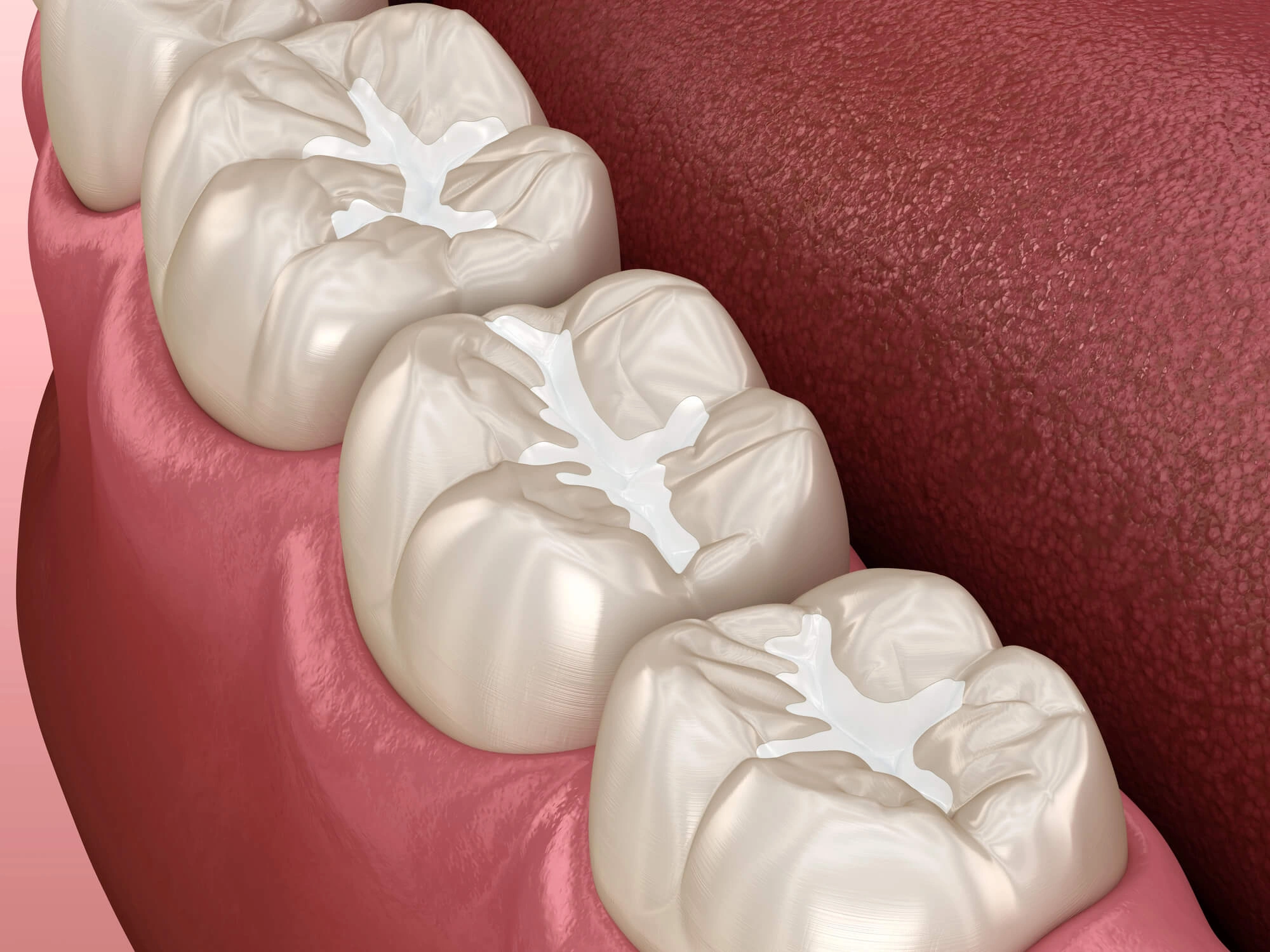
Dental fillings restore this lost strength by reinforcing the damaged area with a durable material that supports normal tooth function. Once placed, the filling helps distribute pressure evenly across the tooth, reducing stress on weakened areas.
How Fillings Restore Strength
- Reinforce compromised enamel and dentin
- Restore proper biting and chewing function
- Prevent cracks from expanding further
- Stabilize the overall tooth structure
Composite fillings, which bond directly to the tooth, are especially effective because they strengthen the remaining natural structure while blending in aesthetically.
Benefits of Restored Strength Include
- Improved comfort when chewing
- Reduced sensitivity to temperature changes
- Lower risk of tooth fractures
- Better long-term durability of the tooth
Without this reinforcement, weakened teeth are more likely to break or require more extensive procedures such as crowns or extractions.
How Fillings Prevent Serious Dental Complications
One of the most important benefits of dental fillings is preventing minor decay from escalating into serious dental complications. When cavities are left untreated, bacteria can reach the inner pulp of the tooth, leading to infection and inflammation.
At that point, treatment becomes more complex and often involves procedures such as root canals or even tooth extraction.
Problems that Fillings Help Prevent
- Deep tooth infections
- Dental abscess formation
- Severe and persistent tooth pain
- Need for root canal treatment
- Tooth loss
By treating cavities early, a Tooth Filling prevents the need for invasive procedures and helps preserve the natural tooth for as long as possible.
Fillings also support overall oral health by maintaining proper tooth alignment and preventing neighboring teeth from shifting due to gaps or damage.
What to Expect During the Filling Procedure
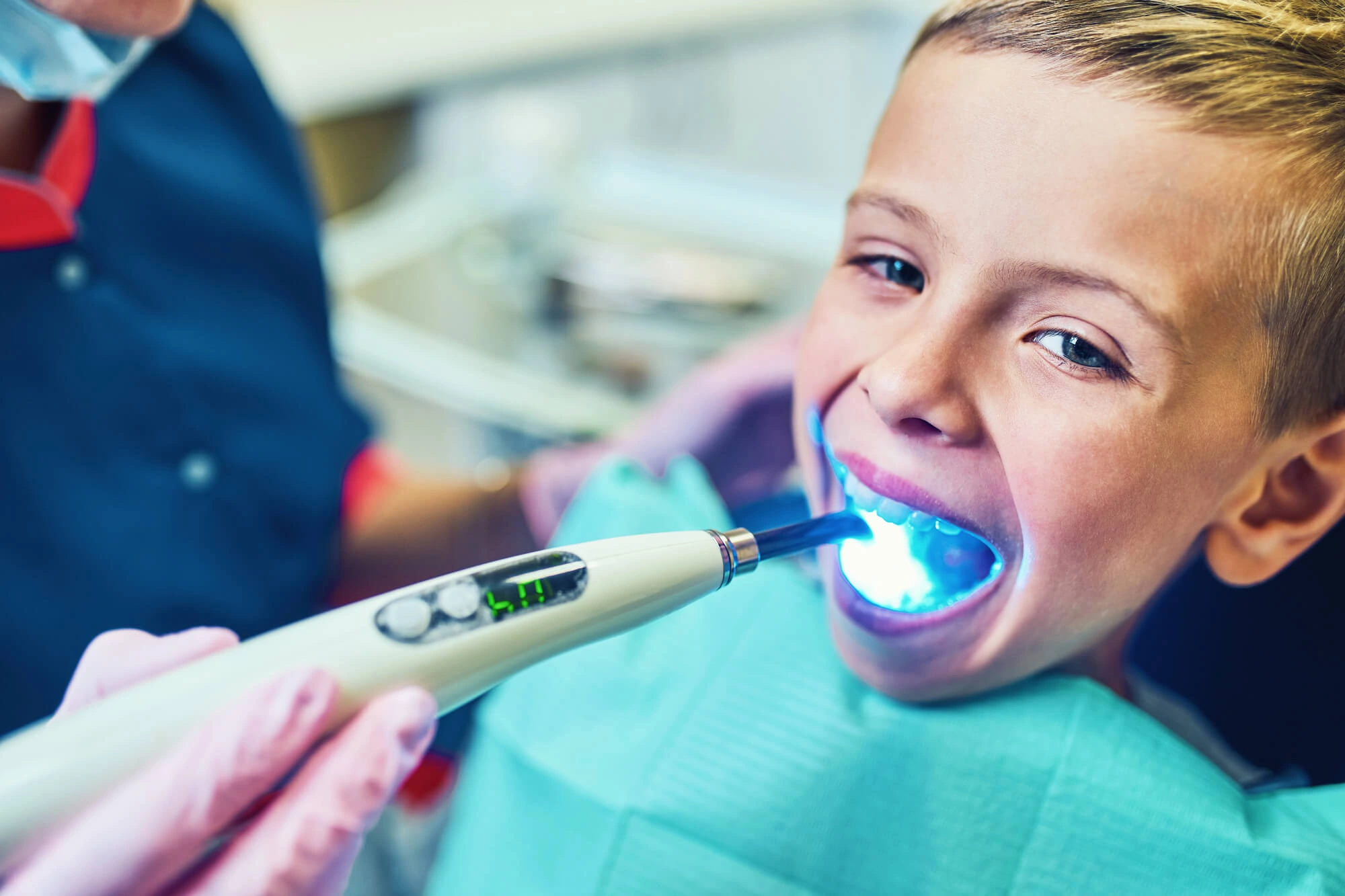
A dental filling is a routine and straightforward procedure that is usually completed in a single visit. Modern dental techniques make the process comfortable and efficient for most patients.
First, the dentist numbs the area around the affected tooth to ensure a pain-free experience. Once the area is fully numb, all decayed material is carefully removed. The tooth is then cleaned to eliminate any remaining bacteria or debris.
After cleaning, the filling material is placed into the cavity. The dentist shapes it to match the natural contours of the tooth, ensuring a comfortable bite. Finally, the filling is polished to create a smooth surface that blends with the surrounding tooth structure.
Aftercare Recommendations
- Avoid very hot or cold foods immediately after treatment
- Be cautious when chewing until sensitivity fades
- Maintain consistent brushing and flossing habits
- Attend regular dental checkups for monitoring
Some mild sensitivity is normal after the procedure but typically resolves within a few days. Most patients return to normal activities immediately.
Why Early Treatment Matters for Long-Term Oral Health
One of the biggest mistakes patients make is delaying treatment for small cavities. Even if a cavity does not cause pain initially, it continues to grow silently over time.
Early treatment with a filling is significantly easier, faster, and more affordable than waiting until the damage becomes severe. It also preserves more of the natural tooth, which is always the best outcome for long-term oral health.
Preventive care and early intervention are key to avoiding complex dental procedures. A simple filling today can prevent root canals, crowns, or extractions in the future.

Schedule Your Appointment for Tooth Filling in Hillsborough, NJ, Today
A Tooth Filling is a simple yet highly effective way to stop tooth decay, restore strength, and protect your smile from further damage. By treating cavities early, you maintain healthier teeth and avoid more serious dental complications in the future.
For trusted, high-quality restorative care, Hillsborough Dental provides professional treatment designed to preserve your natural teeth and support long-term oral health. Schedule your appointment now.
What Our Hillsborough Township, NJ Dental Patients Are Saying
Call or Book an Appointment Now at Our Hillsborough Township, NJ Dentist Office
Learn more about all of our Hillsborough Township dental services and modern technology.
(908) 359-1112Request an Appointment