How Does a Dental Bridge Replace Missing Teeth?
.webp)
Learn how a dental bridge in Hillsborough can replace missing teeth, restore function, and improve your smile. Schedule a consultation today.
A dental bridge can replace one or more missing teeth by using surrounding teeth or dental implants to support a custom restoration. If you are considering a dental bridge in Hillsborough, understanding how bridges work, their benefits, and what treatment involves can help you make an informed decision about replacing missing teeth.
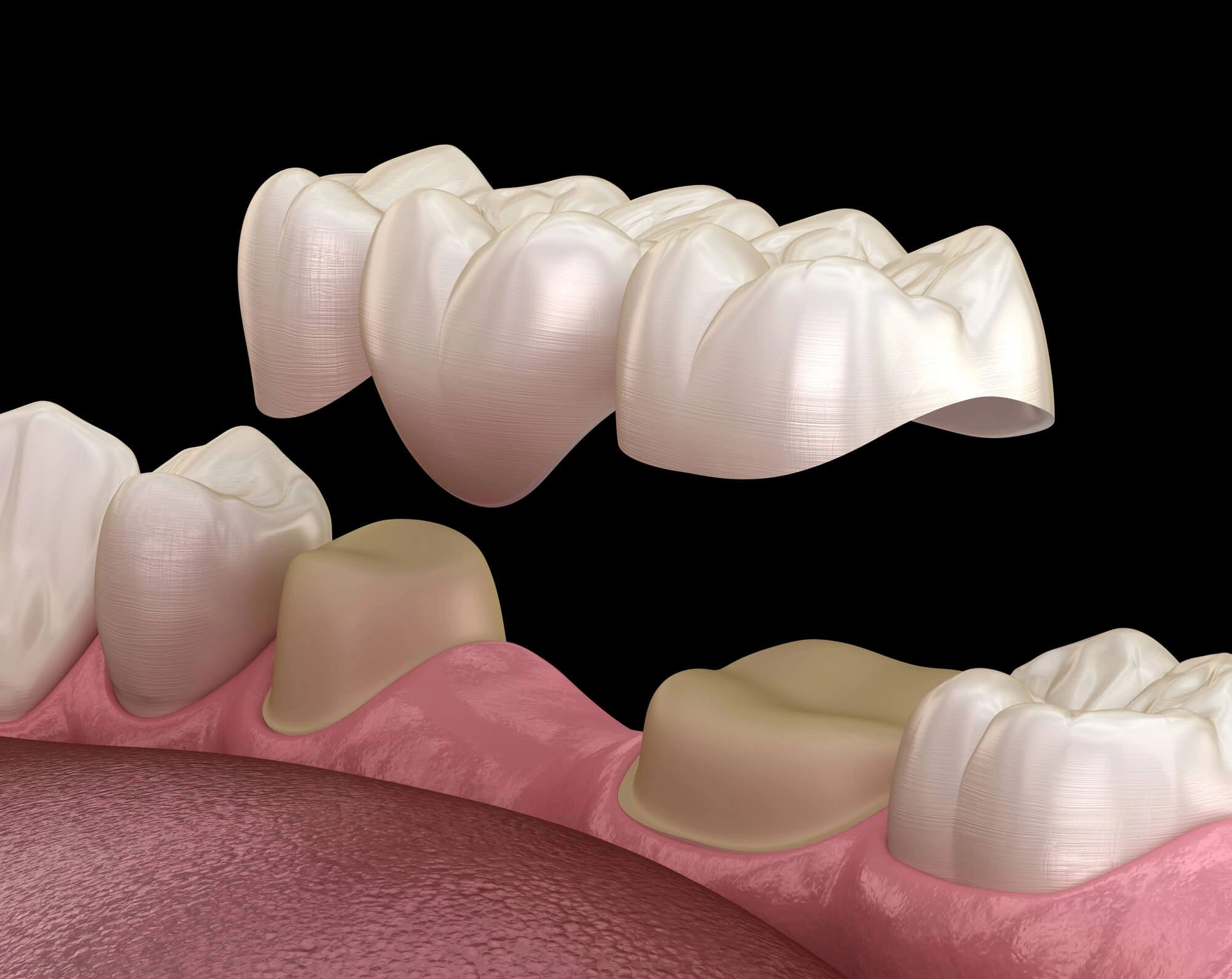
What Is a Dental Bridge?
A dental bridge is a fixed dental restoration designed to fill the space created by one or more missing teeth. Unlike removable dentures, a traditional bridge is secured in place and remains in your mouth while you eat, speak, and go about your daily activities. The replacement tooth, called a pontic, is supported by dental crowns or other structures.
Dental bridges can restore both the appearance and function of your smile. Replacing a missing tooth can also help prevent neighboring teeth from shifting into the open space. Your dentist will evaluate your teeth, gums, bite, and overall oral health to determine whether a bridge is appropriate for you.
How Does a Dental Bridge Work?
A traditional dental bridge typically uses the healthy teeth next to the gap as support. These teeth are prepared to accommodate crowns, which are connected to the artificial replacement tooth. Once the bridge is permanently placed, it fills the visible space and helps restore your bite.
There are different types of dental bridges, and the appropriate option depends on the location of the missing tooth and the condition of your surrounding teeth. Your dentist can explain which design is best suited to your individual needs.
What Problems Can a Dental Bridge Address?
A dental bridge is primarily used to replace missing teeth. It can be an option for patients who have lost a tooth because of decay, injury, gum disease, or another dental problem.
Replacing a missing tooth may help you:
- Restore your ability to chew comfortably
- Improve speech affected by missing teeth
- Fill visible gaps in your smile
- Prevent neighboring teeth from shifting
- Restore the shape of your dental arch
- Improve the overall appearance of your smile
A bridge does not simply cover a cosmetic gap. It can also help restore some of the function lost when a tooth is missing.
Who Is a Good Candidate for a Dental Bridge?
A dental bridge may be appropriate for patients who have one or more missing teeth and healthy enough supporting structures to hold the restoration. The condition of the teeth surrounding the gap is particularly important for a traditional bridge. Your dentist will examine your mouth before recommending treatment.
Good oral hygiene and healthy gums can also support the long-term success of a bridge. If you have untreated tooth decay or gum disease, those concerns may need to be addressed before the bridge is placed.
Can a Dental Bridge Replace Multiple Teeth?
In some situations, a bridge can replace more than one consecutive missing tooth. The number of teeth that can be replaced depends on the location of the gap and the strength of the supporting teeth or implants.
Your dentist will consider your bite and available support when creating your treatment plan. Replacing several teeth may require a different bridge design than replacing a single missing tooth.
What If the Teeth Next to the Gap Are Not Strong Enough?
Traditional bridges rely on neighboring teeth for support, so those teeth need to be healthy and strong enough to support the restoration. If they are severely damaged or weakened, another tooth replacement option may be more appropriate.
Dental implants can sometimes provide support for a bridge without relying on neighboring natural teeth. Your dentist can discuss the available options after evaluating your oral health.
What Is the Difference Between a Dental Bridge and a Dental Implant?
Both dental bridges and implants can replace missing teeth, but they work differently. A traditional bridge fills the gap by using neighboring teeth as support, while a dental implant is surgically placed into the jawbone and can support an individual crown or other restoration.
The right option depends on your oral health, preferences, treatment goals, and available bone structure. A bridge may provide a practical solution for certain patients, while an implant may offer another long-term approach to tooth replacement.
Is a Dental Bridge Removable?
A traditional dental bridge is designed to remain securely in place. You do not remove it each night like a removable partial denture.
Although you cannot take the bridge out yourself, it still requires regular cleaning. Your dentist or dental hygienist can show you how to clean around and underneath the restoration to help maintain healthy gums.
What Should You Expect During Dental Bridge Treatment?
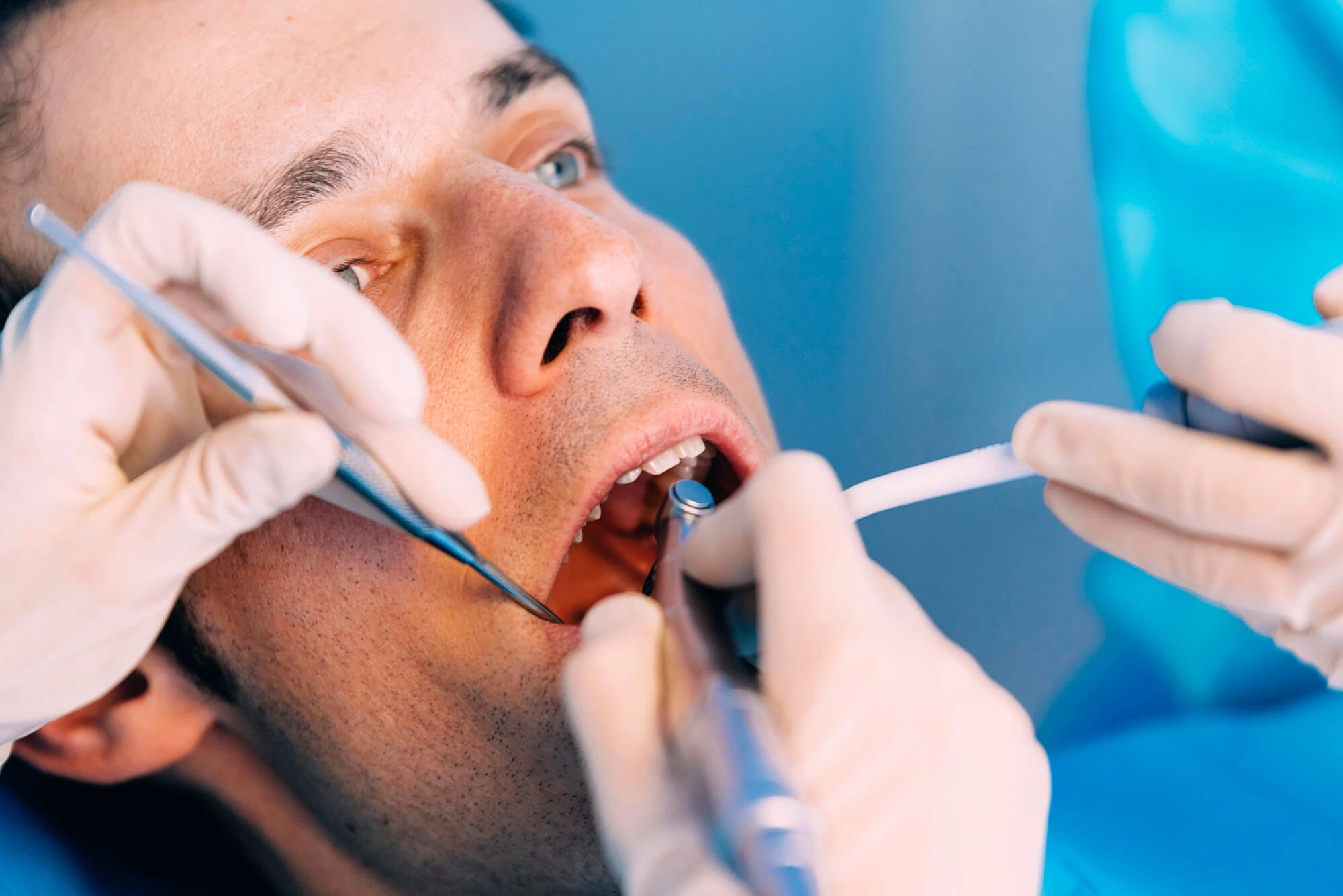
The treatment process depends on the type of bridge you receive. For a traditional bridge, your dentist will typically prepare the supporting teeth before taking impressions or digital scans of your mouth. These records help create a restoration designed to fit your smile and bite.
A temporary restoration may be used while your permanent bridge is being made. At a later appointment, your dentist will check the completed bridge for fit, appearance, and bite before securing it in place.
How Long Does a Dental Bridge Last?
The lifespan of a dental bridge can vary depending on factors such as oral hygiene, the condition of the supporting teeth, bite forces, and everyday habits. A bridge can provide long-term tooth replacement when it is properly maintained.
Regular dental examinations allow your dentist to monitor the bridge and the teeth supporting it. Consistent brushing, cleaning between your teeth, and professional dental care are important for protecting your restoration.
How Do You Care for a Dental Bridge?
A dental bridge requires daily cleaning just like your natural teeth. Food and bacteria can collect around the restoration, particularly near the gumline and underneath the replacement tooth.
Your dentist can recommend the best tools and techniques for cleaning these areas. Maintaining healthy gums and supporting teeth is essential for helping your bridge function properly.
What Can You Eat with a Dental Bridge?
Most patients can return to a normal diet once they have adjusted to their new bridge. However, it may be helpful to begin with softer foods while your mouth becomes accustomed to the restoration.
Extremely hard or sticky foods can place unnecessary pressure on a bridge. You should also avoid using your teeth to bite objects or open packages, as these habits can damage natural teeth and dental restorations.
What Happens If You Do Not Replace a Missing Tooth?
Leaving a missing tooth untreated can affect more than the appearance of your smile. Neighboring teeth may gradually shift toward the empty space, which can change your bite and make certain areas more difficult to clean.
Missing teeth can also affect chewing and speech. Replacing the tooth can help restore these functions while maintaining a more complete dental arch.

Schedule a Consultation for a Dental Bridge in Hillsborough
A missing tooth does not have to leave a permanent gap in your smile. A dental bridge may help restore chewing function, improve your appearance, and prevent surrounding teeth from shifting into the empty space.
Hillsborough Dental Center can evaluate your smile, explain your tooth replacement options, and help you determine whether a dental bridge is right for you. Schedule an appointment today.
What Our Hillsborough Township, NJ Dental Patients Are Saying
Call or Book an Appointment Now at Our Hillsborough Township, NJ Dentist Office
Learn more about all of our Hillsborough Township dental services and modern technology.
(908) 359-1112Request an Appointment