How Often Should I Really See the Dentist?
Confused about dental visit timing? Learn how often to schedule your Hillsborough dental care based on your needs.
Life moves fast. Between work, errands, and family responsibilities, it’s easy to let dental visits slide down the priority list. But when is it actually time to see your dentist? The old “every six months” rule still shows up on appointment reminders—but does it apply to everyone?
If you've ever wondered whether you're overdoing it or not going enough, you're not alone. Figuring out the right schedule for your Hillsborough dental care depends on a few key factors. Your teeth, habits, and overall health all play a role.
Here’s what you need to know to keep your smile on track without unnecessary visits and without risking avoidable problems.

Why “Twice a Year” Isn’t a Rule for Everyone
The twice-a-year guideline is helpful—but it’s just that: a guideline. It works well for many people, but not all mouths are created equal. In reality, how often you should see the dentist depends on your individual health, lifestyle, and goals.
Your Oral Health History Matters
If you’ve had a lot of dental work in the past (think fillings, crowns, gum treatments), you’re likely at a higher risk for recurring issues. More frequent checkups allow your dentist to catch any trouble spots before they grow into something more serious.
Those who’ve struggled with gum disease (even in the past) may need cleanings every three to four months to keep inflammation at bay. Periodontal maintenance isn’t just about keeping your gums healthy—it also helps protect the bone structure that supports your teeth.
Daily Habits Make a Big Impact
Do you drink a lot of coffee or soda? Are you more of a grazer than a three-meals-a-day person? Do you smoke or use tobacco? These habits can increase your risk of decay, erosion, or staining, especially between cleanings.
Even seemingly small behaviors, like forgetting to floss or brushing too hard, can lead to significant issues if not caught early. Your dentist can identify early signs of wear, recession, or decay and help you course-correct before things turn into fillings or crowns.
Age and Life Stage Play a Role
From toddlers to retirees, each age comes with its own dental needs.
- Children benefit from early visits to catch alignment issues, monitor baby teeth, and develop comfort in the dental chair.
- Teens face new challenges, such as wisdom teeth, braces, and sugary diets.
- Adults often deal with grinding, stress-related jaw tension, and cosmetic concerns.
- Seniors may need to manage dry mouth, gum recession, or issues related to denture care.
No matter your age, routine visits are a great way to stay ahead of the curve and make small adjustments early.
Your Overall Health Can Affect Your Mouth
Certain health conditions make it especially important to stay on top of dental care. Diabetes, for example, can raise your risk of gum disease. Autoimmune conditions, pregnancy, and even heart disease can influence how often you should get checked.
If you’re on medications that cause dry mouth, your dentist may recommend more frequent cleanings or fluoride treatments to protect your enamel. The mouth is connected to the rest of the body, and good dental care supports your overall health.
Your Comfort Level Counts, Too
Some people feel more at ease knowing their teeth are checked more often. That’s totally valid. If more frequent visits reduce anxiety or give you peace of mind, talk to your dentist about creating a plan that works for you.
Others feel confident with once-a-year visits, especially if they’re low risk. The right number of visits should feel proactive—not excessive—and always tailored to your needs.
What Happens at a Routine Dental Visit?
Understanding what’s involved in a standard checkup can take some of the mystery (and anxiety) out of it. These visits aren’t just about cleaning your teeth. They’re about keeping your entire mouth healthy.
1. Professional Cleaning
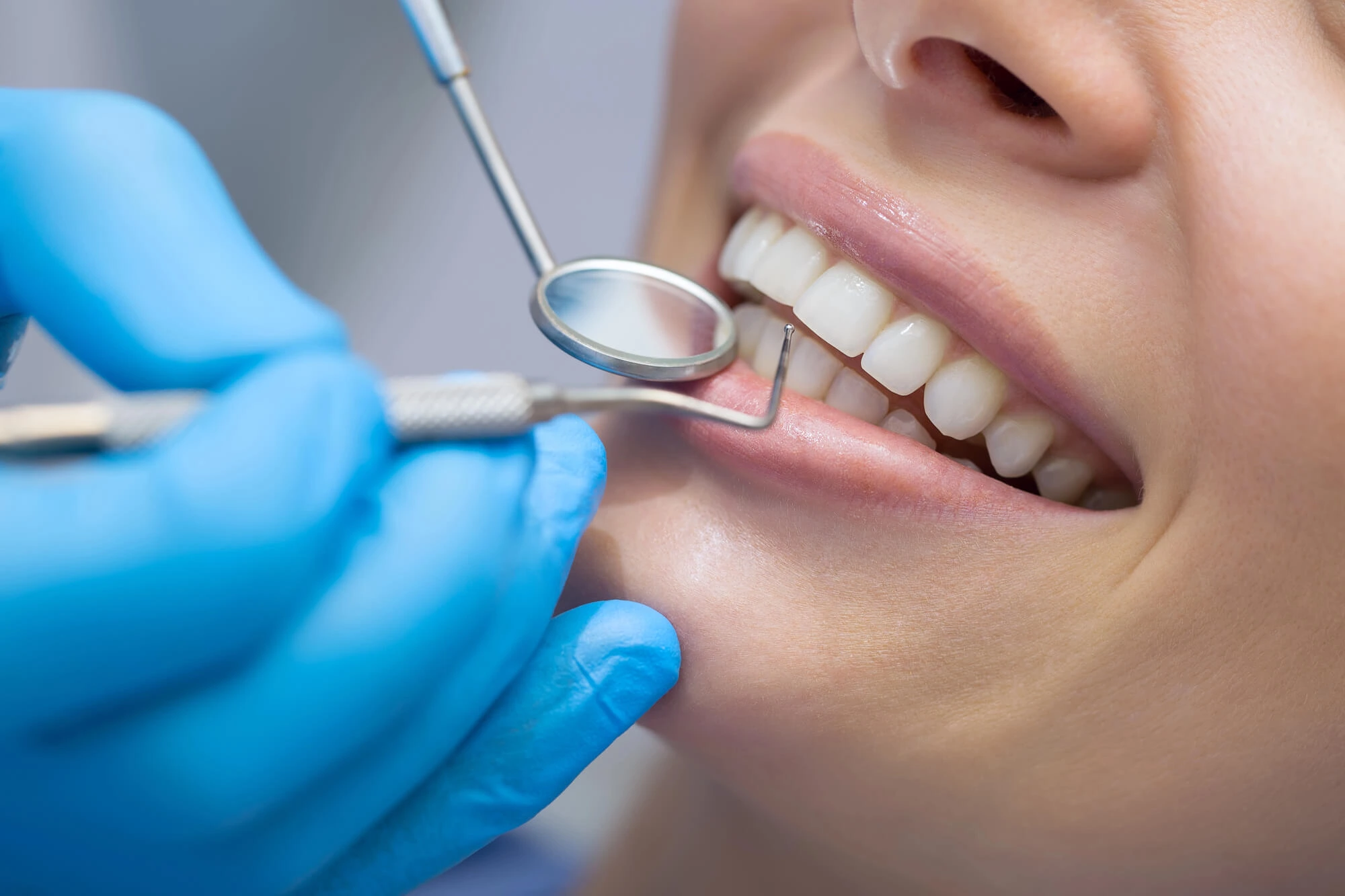
Dental hygienists remove plaque and tartar that you can’t reach at home. Even with great brushing and flossing, buildup happens—especially behind the front teeth and along the gumline. Cleanings prevent gum disease and freshen your breath in ways toothpaste alone can’t.
2. Comprehensive Exam
Your dentist checks for cavities, early signs of gum disease, enamel erosion, bite problems, and even oral cancer. These screenings are quick but vital. Many dental issues start silently, and early detection often means simpler, less expensive treatment.
3. X-Rays (If Needed)
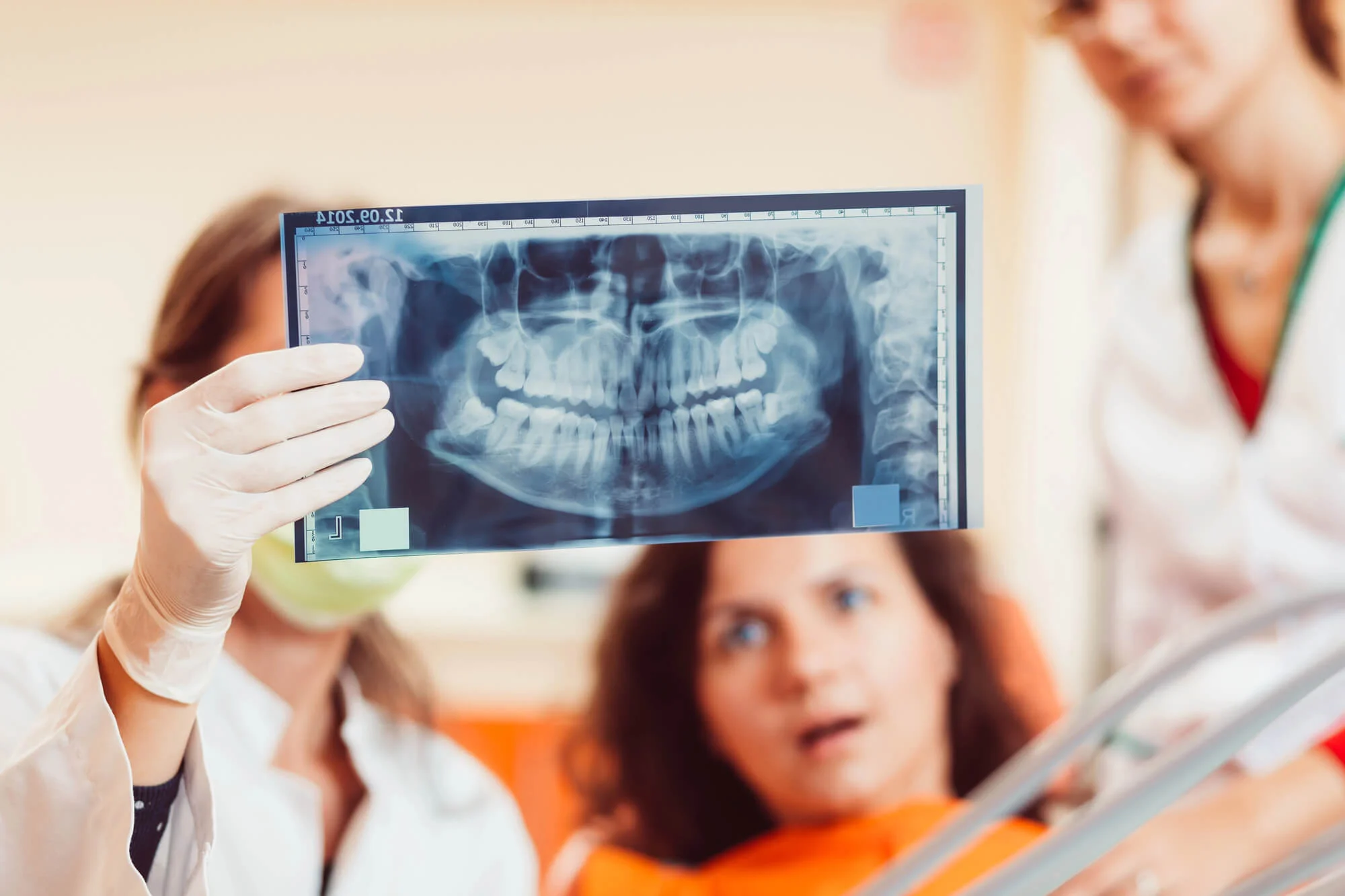
Not required at every visit, but helpful in spotting issues below the surface—like between teeth, beneath the gums, or under old fillings. They provide a clearer picture of your oral health and help guide treatment decisions.
What Happens If You Skip Appointments?
When life gets busy, it’s tempting to delay a cleaning—especially if nothing hurts. But pain isn’t the first sign something’s wrong. In fact, many serious dental issues start without noticeable symptoms.
1. Plaque Becomes Tartar
Once plaque hardens into tartar, it can’t be removed with a toothbrush. Left alone, it leads to inflammation, bleeding gums, and gum recession. That’s how early-stage gingivitis becomes full-blown periodontal disease.
2. Small Problems Become Bigger Ones
A tiny cavity can grow rapidly if unchecked. What might have been a simple filling could turn into a root canal—or worse, a lost tooth. The longer you wait, the more time, cost, and discomfort are usually involved in fixing it.
3. Your Smile Might Suffer
Skipping regular visits can also impact the look of your smile. Stains build up. Chipped or cracked teeth go unnoticed. Before you know it, your confidence takes a hit—not because of pain, but because you’re not feeling your best.
So… How Often Should You See the Dentist?
There’s no single answer for everyone—but here’s a general guide:
- Low-risk patients (good health, great hygiene, no history of decay): once a year may be fine
- Average-risk patients: every six months for cleanings and exams
- High-risk patients (previous gum disease, chronic health conditions, frequent cavities): every 3–4 months
Ask your dentist to help create a care schedule tailored to your needs, not just the calendar. It’s about balance—preventing problems without overdoing it.
Are You Looking for Personalized Hillsborough Dental Care?
Finding the right schedule for dental visits is about listening to your body and focusing on prevention. Regular checkups help maintain a healthy smile and boost your confidence.
If it’s been a while since your last visit, don’t worry—it’s never too late to catch up. For friendly and personalized care, contact Hillsborough Dental Center. We’re here to help with cleanings, scheduling visits, or addressing any questions you may have.
What Our Hillsborough Township, NJ Dental Patients Are Saying
Call or Book an Appointment Now at Our Hillsborough Township, NJ Dentist Office
Learn more about all of our Hillsborough Township dental services and modern technology.
(908) 359-1112Request an Appointment