How to Keep Your Tooth Crown Looking Great for Years
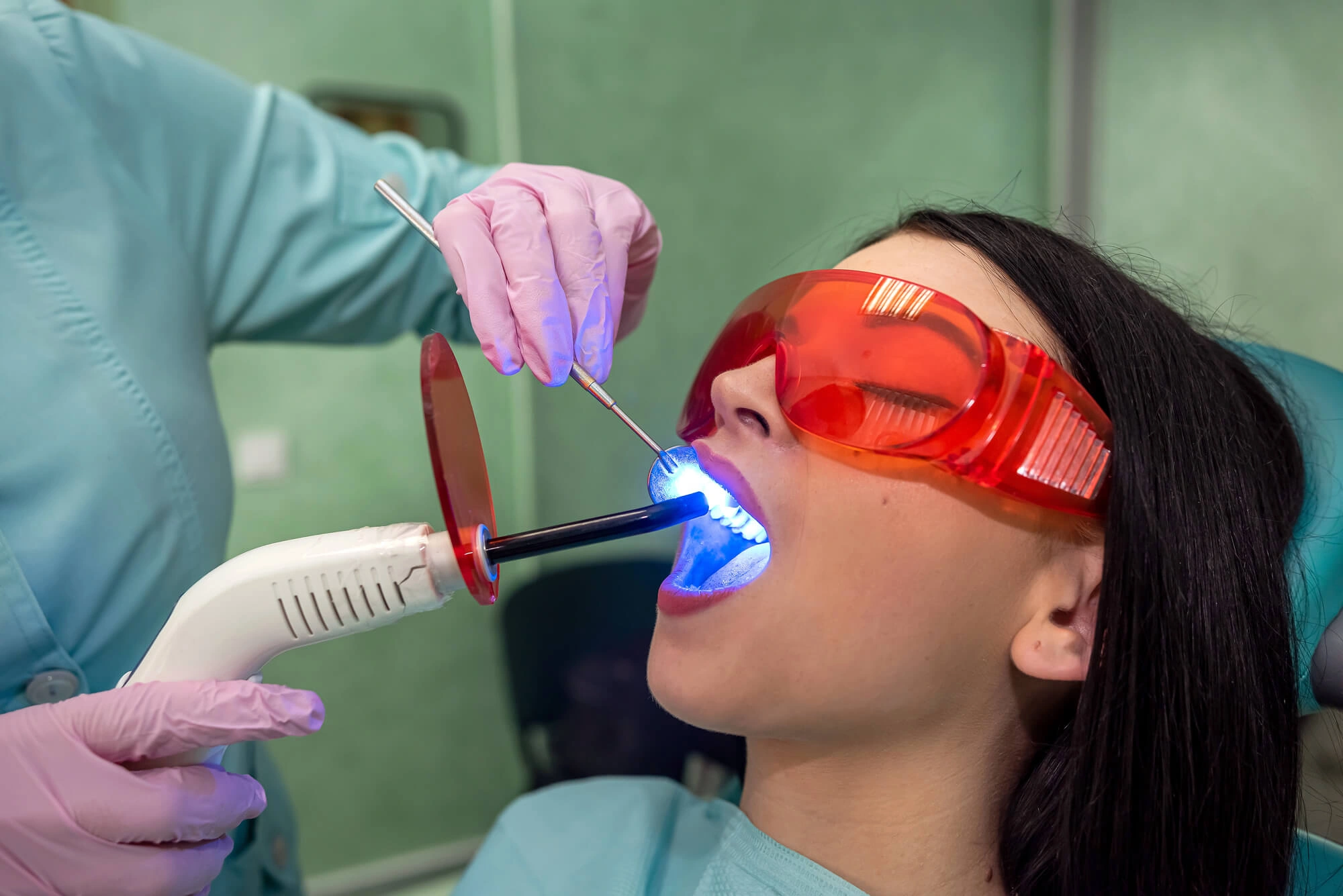
Protect your tooth crown in Hillsborough, NJ, with simple care tips that help it last for years. Learn how to maintain your smile and schedule your visit today.
A well-made dental crown can restore the appearance, strength, and function of a damaged tooth, but its longevity depends on how well you care for it. If you have a tooth crown in Hillsborough, NJ, or are considering getting one, understanding the right maintenance habits can help you preserve your investment and keep your smile looking healthy for years to come.

Why Proper Care Matters for Your Tooth Crown
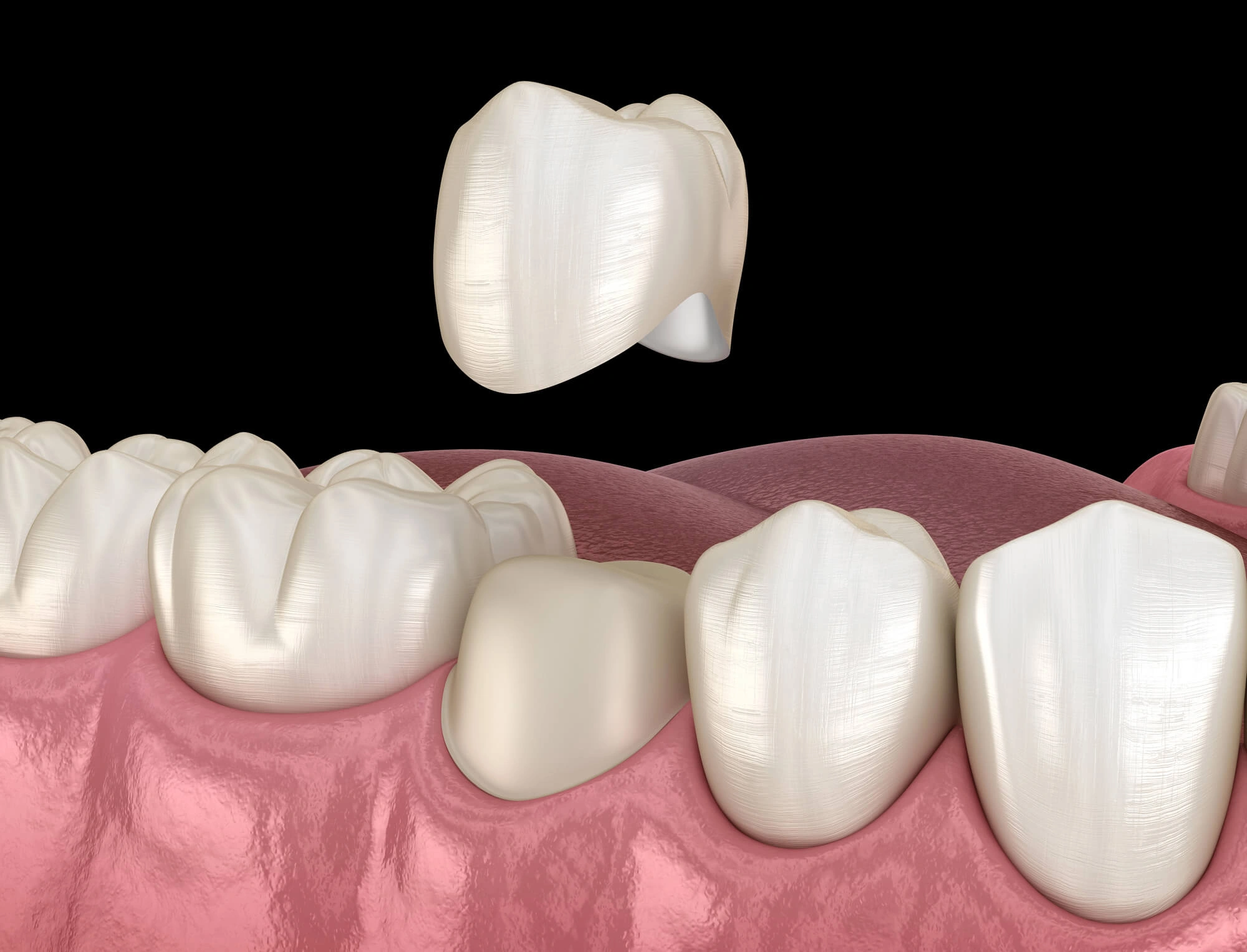
Although a dental crown is made from durable materials such as porcelain, ceramic, metal, or a combination of materials, it is not indestructible. Crowns are designed to protect the natural tooth underneath, but they still require daily care.
Proper maintenance helps:
- Prevent decay around the edge of the crown
- Protect the underlying tooth structure
- Keep the crown looking clean and natural
- Reduce the risk of chips or cracks
- Extend the lifespan of your restoration
With good oral hygiene and regular dental visits, many crowns can last well over a decade before needing replacement.
Brush Gently but Thoroughly Every Day
A crown cannot develop cavities, but the natural tooth beneath it still can. Bacteria and plaque can collect around the gumline where the crown meets the tooth, increasing the risk of decay.
Brush your teeth at least twice a day using a soft-bristled toothbrush and fluoride toothpaste. Gentle, circular motions effectively remove plaque without scratching the crown's surface or irritating your gums.
Pay extra attention to the area where the crown meets your natural tooth, as this is one of the most important places to keep clean.
Don't Skip Daily Flossing
Many people worry that flossing could loosen a crown, but properly placed crowns are designed to stay securely attached.
Daily flossing removes food particles and plaque that brushing alone cannot reach. Instead of snapping the floss upward, gently slide it between your teeth and pull it out from the side when cleaning around the crowned tooth.
This simple habit helps prevent gum disease and protects the tooth supporting the crown.
Habits That Help Your Crown Last Longer
Good daily habits make a significant difference in how long your restoration stays in excellent condition.
Avoid Using Your Teeth as Tools
Opening packages, biting fingernails, tearing tape, or holding objects with your teeth may seem harmless, but these habits place unnecessary stress on both natural teeth and crowns.
Using scissors or the appropriate tools instead of your teeth helps prevent accidental damage.
Be Careful With Hard Foods
Dental crowns are strong, but biting directly into very hard foods may increase the risk of chipping or cracking.
Foods to enjoy with caution include:
- Ice
- Hard candies
- Unpopped popcorn kernels
- Very hard nuts
- Bones in meat
You don't necessarily have to avoid these foods forever, but chewing carefully can help protect your restoration.
Limit Foods That Cause Staining
Porcelain crowns resist stains better than natural enamel, but surrounding teeth may still discolor over time, creating a noticeable difference.
To maintain a bright, uniform smile, try to moderate foods and drinks that commonly stain teeth, such as coffee, tea, red wine, berries, and dark-colored sauces. Rinsing your mouth with water afterward can also help reduce staining.
Protect Your Crown From Damage
Everyday wear is normal, but certain conditions can shorten the life of your crown if left unmanaged.
Address Teeth Grinding
Grinding or clenching your teeth places significant pressure on dental restorations. Over time, this can wear down or damage a crown.
Common signs include:
- Morning jaw soreness
- Frequent headaches
- Flattened teeth
- Increased tooth sensitivity
If you suspect nighttime grinding, your dentist may recommend a custom night guard to protect both your natural teeth and your crown.
Wear a Mouthguard During Sports
Sports-related injuries are a common cause of dental damage. Whether you participate in contact sports or recreational activities, wearing a properly fitted mouthguard provides valuable protection against unexpected impacts.
A simple preventive measure can save you from costly repairs later.
Don't Ignore Small Changes
A crown rarely fails without warning. Contact your dentist if you notice:
- Sensitivity when biting
- Pain around the crowned tooth
- A loose feeling
- A chipped edge
- Gum irritation around the crown
- Changes in your bite
Early treatment often prevents more extensive dental work.
How Regular Dental Visits Help Preserve Your Crown
Routine dental checkups remain one of the best ways to keep your restoration looking and functioning well.
During your appointment, your dentist can:
- Examine the condition of the crown
- Check the seal around the restoration
- Remove hardened plaque and tartar
- Evaluate your bite
- Identify small problems before they worsen
Professional cleanings also help maintain healthy gums, which play an important role in supporting crowned teeth.
How Long Should a Crown Last?
The lifespan of a dental crown depends on several factors, including the material used, your oral hygiene habits, diet, and overall dental health.
Many crowns last between 10 and 15 years, while some remain functional for 20 years or even longer with proper care.
Following your dentist's recommendations and practicing consistent oral hygiene significantly improve your chances of maximizing the life of your restoration.
Can a Crown Be Repaired?
Minor chips in certain crown materials may sometimes be repaired. However, larger fractures, poor fit, significant wear, or damage to the tooth underneath may require replacing the crown entirely.
If something feels different, don't wait to have it evaluated. Prompt attention can often prevent more complicated treatment.
Frequently Asked Questions
Can I eat normally with a dental crown?
Yes. Once your permanent crown is securely placed and your dentist confirms everything fits properly, you can enjoy most foods. Just be mindful when eating especially hard or sticky items.
Will my crown look different over time?
High-quality crowns are designed to maintain their appearance for years. Keeping your surrounding teeth clean and healthy also helps your smile remain even and attractive.
Do crowns require special toothpaste?
Most people can continue using a standard fluoride toothpaste. If you have sensitivity or other specific concerns, your dentist may recommend a product better suited to your needs.
Is it normal for a crown to feel different at first?
A new crown may feel slightly unusual for a few days as your mouth adjusts. If discomfort continues or your bite feels uneven, schedule an evaluation to ensure the crown fits correctly.
Protect Your Smile With a Tooth Crown in Hillsborough, NJ
If you're looking to maintain a healthy, confident smile, proper care is the key to helping your restoration last for years. Whether you need a new crown, have questions about an existing restoration, or would like to schedule a routine evaluation, the experienced team at Hillsborough Dental Center is here to help. Personalized care, preventive guidance, and regular checkups can help keep your smile looking its best for years to come. Schedule your appointment today.
What Our Hillsborough Township, NJ Dental Patients Are Saying
Call or Book an Appointment Now at Our Hillsborough Township, NJ Dentist Office
Learn more about all of our Hillsborough Township dental services and modern technology.
(908) 359-1112Request an Appointment