Life After a New Crown: Dos & Don’ts for the First 30 Days
Just got a tooth crown in Hillsborough, NJ? Learn the simple dos and don’ts for the first 30 days to protect your new smile.
Getting a dental crown is a significant step forward in protecting your oral health and restoring the function of your smile.
Whether your crown was placed after a root canal, to cover a cracked or decayed tooth, or as part of a cosmetic upgrade, it's normal to have questions about what happens next. The early days following your procedure are crucial for helping the crown settle, ensuring comfort, and preventing complications.
If you’ve recently received a tooth crown in Hillsborough, NJ, you’re in the right place.
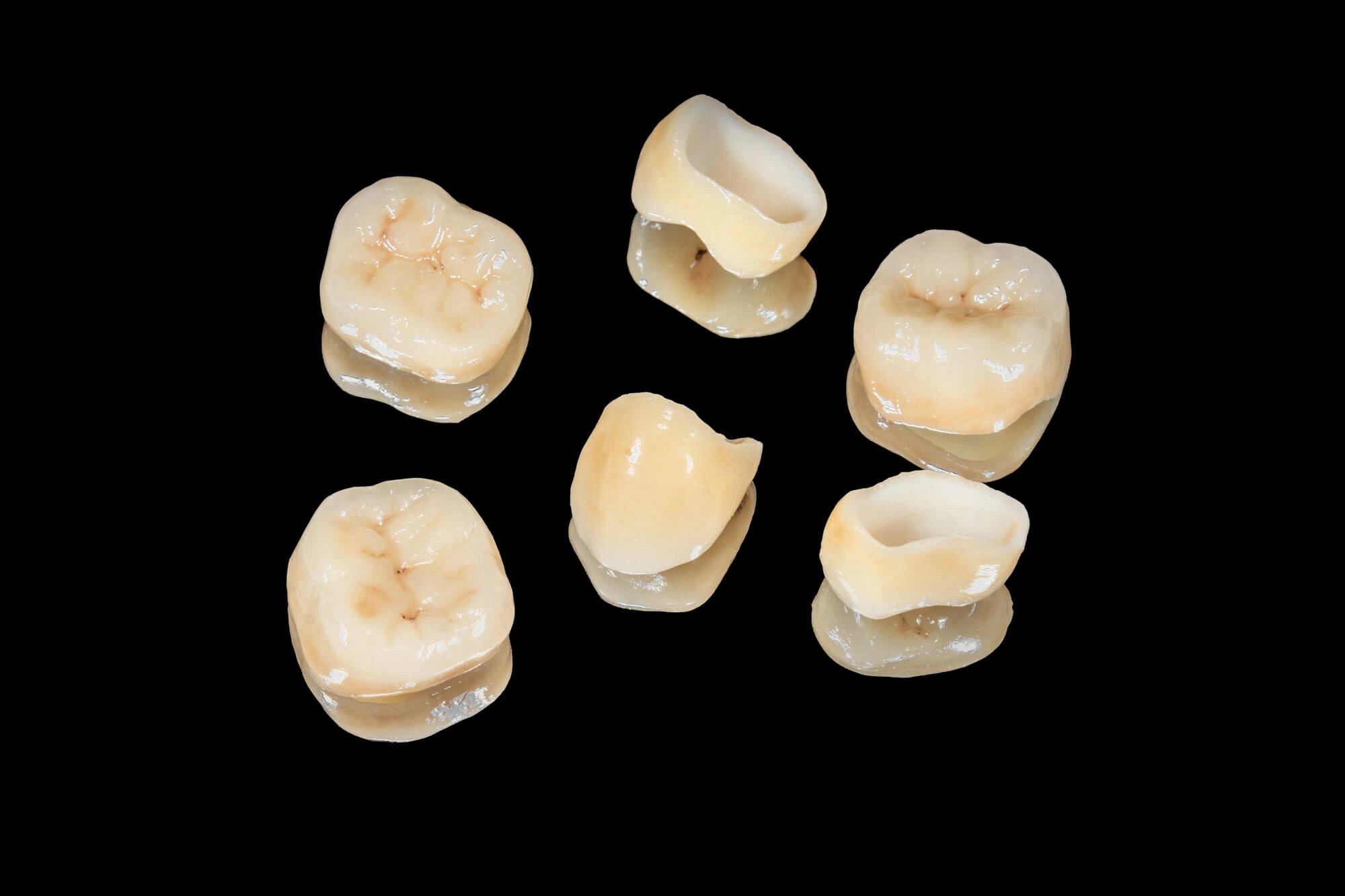
How to Care for Your New Crown During the First 30 Days
The first month is all about letting your mouth adjust, easing into your daily routines, and giving your crown the best chance at long-term success. While crowns are built to last, what you do in these first few weeks makes all the difference.
What You’ll Likely Feel After Crown Placement
It’s completely normal to experience some mild discomfort after your crown is placed. Your tooth may be sensitive to pressure, temperature, or certain foods. The gums around the tooth can also feel tender or inflamed from the work done during preparation and fitting.
You may notice:
- Sensitivity to cold drinks or hot foods
- A slight “high” feeling when biting down
- Tenderness in the gum tissue near the crown
These sensations typically subside within a few days. If pain persists for more than a week or worsens, it’s a good idea to have your dentist take a closer look.
Do: Ease Back Into Chewing
When your crown is first placed, allow the cement time to set and bond fully. Avoid using the crowned tooth for chewing during the first 24 hours. Stick to soft foods like:
- Scrambled eggs
- Mashed potatoes
- Smoothies
- Oatmeal
After the first day, you can slowly reintroduce more textures, but do so gradually. If biting down feels uncomfortable, shift chewing to the opposite side. Give your mouth time to adjust.
Don’t: Eat Hard or Sticky Foods
Your crown may look and feel like a natural tooth, but it’s best to treat it with care — especially in the beginning. Hard or sticky foods can pull at the crown or damage it before it’s fully set.
Foods to avoid:
- Nuts and seeds
- Ice (never chew it!)
- Hard bread or bagels
- Sticky candy like caramel or taffy
- Popcorn kernels
Even long after the first 30 days, it’s a good habit to be cautious with these types of foods.
Do: Keep Up With Brushing and Flossing
A crown protects your tooth, but it doesn’t make it invincible. You still need to brush twice a day and floss daily. Use a soft-bristled toothbrush and non-abrasive fluoride toothpaste to avoid scratching the crown’s surface.
Flossing should be done gently — especially at first. Slide the floss in and out without snapping it between the teeth. If your dentist recommended special flossing tools for the area, use them consistently.
Don’t: Let Gum Irritation Go Unchecked
Some minor gum soreness is expected. However, redness, swelling, bleeding, or pain that worsens instead of improves may be a sign of gum irritation or inflammation.
A well-fitting crown should allow your gum tissue to settle comfortably around it. If that’s not happening, your dentist may need to adjust the fit or clean around the crown to remove any trapped plaque.
Do: Pay Attention to Bite Changes
Your bite should feel balanced. If the crown is even slightly too high, it can throw off your bite and cause strain on your jaw or surrounding teeth. That can lead to soreness, sensitivity, and even headaches.
If the crown feels like it’s hitting first when you bite down, don’t ignore it. A quick adjustment at the dentist’s office can make a huge difference.
Don’t: Grind or Clench Your Teeth
Teeth grinding (bruxism) is a major cause of crown damage. It can also wear down the surrounding natural teeth and cause jaw pain. Many people grind their teeth while sleeping or during times of stress — and they often don’t realize they’re doing it.
Talk to your dentist if you notice any of the following symptoms:
- Jaw pain or stiffness
- Morning headaches
- Flattened or chipped teeth
A custom night guard is often the best solution. It cushions your teeth and protects your new crown from undue pressure.
Do: Address Sensitivity Early
Sensitivity after a crown placement is common and usually temporary. It often improves as your tooth adjusts and the gum tissue heals.
Still, sensitivity can be frustrating. Use toothpaste for sensitive teeth, and avoid extremely hot or cold drinks until the sensitivity has settled. If sensitivity lingers past the 30-day mark, it’s worth checking in with your dentist to rule out nerve inflammation or bonding issues.
Don’t: Skip Your Follow-Up or Routine Cleanings
Your crown is a long-term investment, and like all investments, it needs maintenance.
Regular checkups allow your dentist to monitor how the crown is settling, evaluate your bite, and inspect for any wear or plaque buildup near the crown’s edges.
Professional cleanings every six months help keep your gums healthy and ensure the surrounding teeth stay strong. If you're due for a follow-up or haven’t seen your dentist recently, now’s the time to book.
Do: Treat Your Crown with Respect
Your crown may be made from high-strength materials, but it’s still not indestructible. Treat it like your natural teeth — or better.
Good habits include:
- Not using your teeth to open packaging
- Wearing a mouthguard if you play contact sports
- Avoiding chewing pens or fingernails
- Drinking water after sugary or acidic snacks
These small actions add years to the life of your crown — and your entire smile.
Don’t: Ignore the Signs of Trouble
Crowns aren’t supposed to hurt. If you experience pain, notice swelling, or feel that the crown is loose, contact your dentist immediately. Waiting can lead to more significant issues, such as infection, misalignment of the bite, or damage to the supporting tooth.
Here are signs to watch for:
- A crown that shifts or moves
- Persistent bad taste or odor near the crown
- Swelling or pus near the gumline
- Increased pain when chewing
Early attention almost always means simpler solutions.
Protect Your Smile Starts With Your Tooth Crown in Hillsborough, NJ!
Getting a tooth crown is more than just restoring a tooth — it’s about preserving your comfort, function, and confidence. The first 30 days after your procedure are a crucial time to focus on healing, establishing healthy habits, and ensuring your crown seamlessly integrates into your life.
At Hillsborough Dental Center, you’ll find a team that prioritizes your long-term success. From expert placement to thoughtful aftercare, we’ll guide you through every step with professionalism and compassion.
If you’ve recently received a crown — or think you might need one — schedule a visit with Hillsborough Dental Center today. Your smile deserves nothing less.
What Our Hillsborough Township, NJ Dental Patients Are Saying
Call or Book an Appointment Now at Our Hillsborough Township, NJ Dentist Office
Learn more about all of our Hillsborough Township dental services and modern technology.
(908) 359-1112Request an Appointment