Signs You May Have Sleep Apnea and What to Do
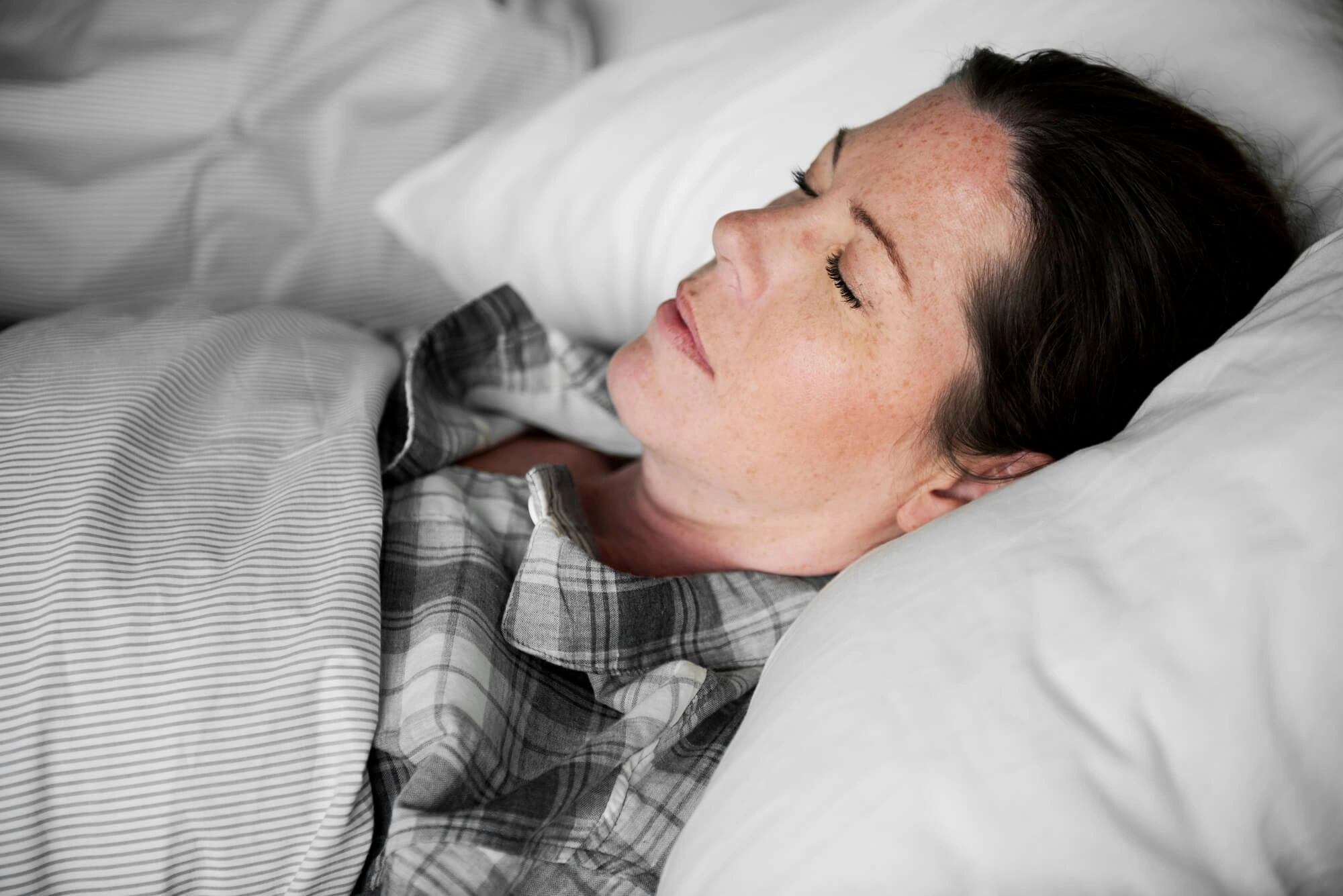
Learn the signs of sleep apnea and how a Hillsborough dentist can help you sleep better. Book your consultation today.
Sleep apnea can quietly disrupt your health and daily life, but recognizing the signs early and seeking help from a Hillsborough dentist can lead to effective treatment and better, more restful sleep. Sleep apnea is a serious yet often overlooked condition that affects how you breathe while you sleep. Many people assume snoring is harmless, but it can be a warning sign of something more significant. If you frequently wake up tired, struggle with focus, or experience interrupted sleep, a Hillsborough dentist may be able to help identify the problem and provide a comfortable solution. Understanding the symptoms and knowing what steps to take can protect both your sleep and your long-term health.
What Is Sleep Apnea and Why Does It Matter?
Understanding Obstructive Sleep Apnea
Sleep apnea is a disorder where breathing repeatedly stops and starts during sleep. The most common form, obstructive sleep apnea (OSA), happens when the muscles in the back of your throat relax too much. This causes the airway to narrow or close completely, limiting oxygen flow.
Each pause in breathing can last several seconds and may occur dozens of times per hour. These interruptions prevent your body from reaching deep sleep stages, which are essential for physical recovery and mental function, causing fatigue, irritability, and long-term health complications.
Health Risks of Untreated Sleep Apnea
Ignoring sleep apnea can lead to serious health complications over time. Because your body is repeatedly deprived of oxygen, it places stress on multiple systems.
Some potential risks include:
- High blood pressure
- Heart disease
- Increased risk of stroke
- Chronic fatigue
- Memory and concentration problems
This is why early detection and treatment are so important.
Common Signs You May Have Sleep Apnea
Loud and Persistent Snoring
Snoring is one of the most noticeable signs of sleep apnea. While not everyone who snores has the condition, loud and frequent snoring—especially when paired with other symptoms—should not be ignored.
Gasping or Choking During Sleep
If you or your partner notice episodes of gasping, choking, or pauses in breathing during the night, this is a strong indicator of sleep apnea and requires prompt medical attention.
Excessive Daytime Sleepiness
Feeling tired even after what should be a full night’s sleep is a major red flag. Sleep apnea prevents restful sleep, leaving you feeling drained throughout the day. You may find yourself struggling to stay awake during routine activities, needing frequent naps, or lacking energy and focus, which can affect work performance and daily responsibilities.
Morning Headaches
Waking up with headaches can be linked to reduced oxygen levels during sleep. This symptom is often overlooked but is commonly associated with sleep apnea.
Difficulty Concentrating
Poor sleep quality affects brain function. Many people with sleep apnea report trouble focusing, forgetfulness, and decreased productivity.
Additional Warning Signs
Other symptoms you should watch for include:
- Dry mouth or sore throat upon waking
- Irritability or mood swings
- Frequent nighttime awakenings
- Decreased energy and motivation
If you notice multiple symptoms, it’s important to take action.
What Causes Sleep Apnea?
Physical Risk Factors
Certain physical traits can increase your likelihood of developing sleep apnea:
- Excess weight around the neck
- Naturally narrow airway
- Enlarged tonsils or tongue
- Jaw alignment issues
These factors can contribute to airway blockage during sleep.
Lifestyle Habits
Your daily habits can also play a role in worsening symptoms:
- Smoking
- Alcohol consumption before bed
- Poor sleep hygiene
Making adjustments to these habits can support better breathing during sleep.
What to Do If You Suspect Sleep Apnea
Step 1: Pay Attention to Symptoms
Start by observing your sleep patterns and daily energy levels. If possible, ask a partner or family member if they notice snoring or breathing interruptions.
Step 2: Seek Professional Evaluation
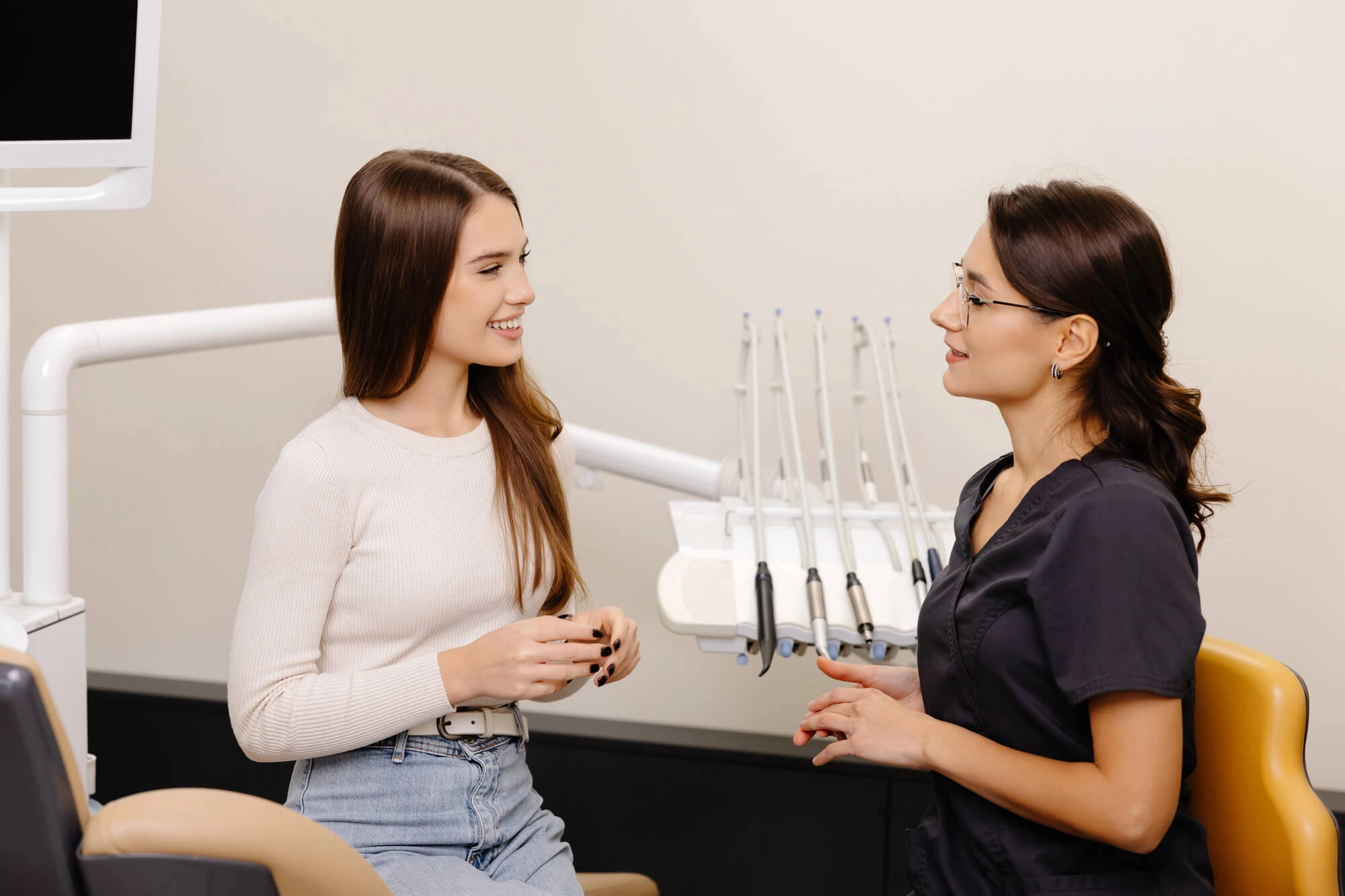
A dentist can assess your symptoms and determine whether dental sleep apnea therapy is right for you. In some cases, a sleep study may be recommended for a more accurate diagnosis.
Step 3: Explore Treatment Options
Treatment depends on the severity of your condition. Options may include:
- Lifestyle changes
- Medical intervention for severe cases
Your provider will guide you toward the best solution.
How a Dentist Can Help Treat Sleep Apnea
Oral Appliance Therapy
A Hillsborough dentist may recommend a custom oral appliance designed to keep your airway open while you sleep. This device works by gently moving your lower jaw forward, preventing airway blockage.
Why Patients Prefer Dental Solutions
Compared to other treatments, oral appliances are often more comfortable and convenient. Benefits include:
- Easy to wear and maintain
- Quiet and noninvasive
- Portable for travel
- Custom-fit for maximum comfort
These features make it easier for patients to stay consistent with treatment.
How Sleep Apnea Treatment Improves Your Life
Better Sleep Quality
With improved airflow, your body can enter deeper sleep stages, allowing for proper rest and recovery.
Increased Energy and Focus
Quality sleep leads to better concentration, improved mood, and higher productivity during the day.
Long-Term Health Protection
Treating sleep apnea reduces strain on your heart and lowers the risk of serious medical conditions.
Practical Tips to Manage Sleep Apnea
Lifestyle Changes That Make a Difference
In addition to professional care, these habits can help reduce symptoms:
- Maintain a healthy weight
- Sleep on your side instead of your back
- Avoid alcohol before bedtime
- Establish a consistent sleep routine
Stay Consistent with Treatment
Using your prescribed device every night is essential for success. Skipping treatment can cause symptoms to return.
When to Seek Immediate Attention
If your symptoms worsen or you experience severe fatigue, breathing interruptions, or difficulty staying awake during the day, seek care right away. Prompt treatment can prevent complications and improve your quality of life.

Improve Your Sleep Today with a Hillsborough dentist
If you recognize the signs of sleep apnea, don’t wait to get help. A dentist can provide personalized, effective treatment options to help you breathe easier and sleep better. At Hillsborough Dental, the team is dedicated to helping patients achieve healthier sleep and improved well-being. Schedule your consultation today and take the first step toward restful, uninterrupted nights.
What Our Hillsborough Township, NJ Dental Patients Are Saying
Call or Book an Appointment Now at Our Hillsborough Township, NJ Dentist Office
Learn more about all of our Hillsborough Township dental services and modern technology.
(908) 359-1112Request an Appointment