Too Many Treats? When a Cavity Turns Into an Extraction
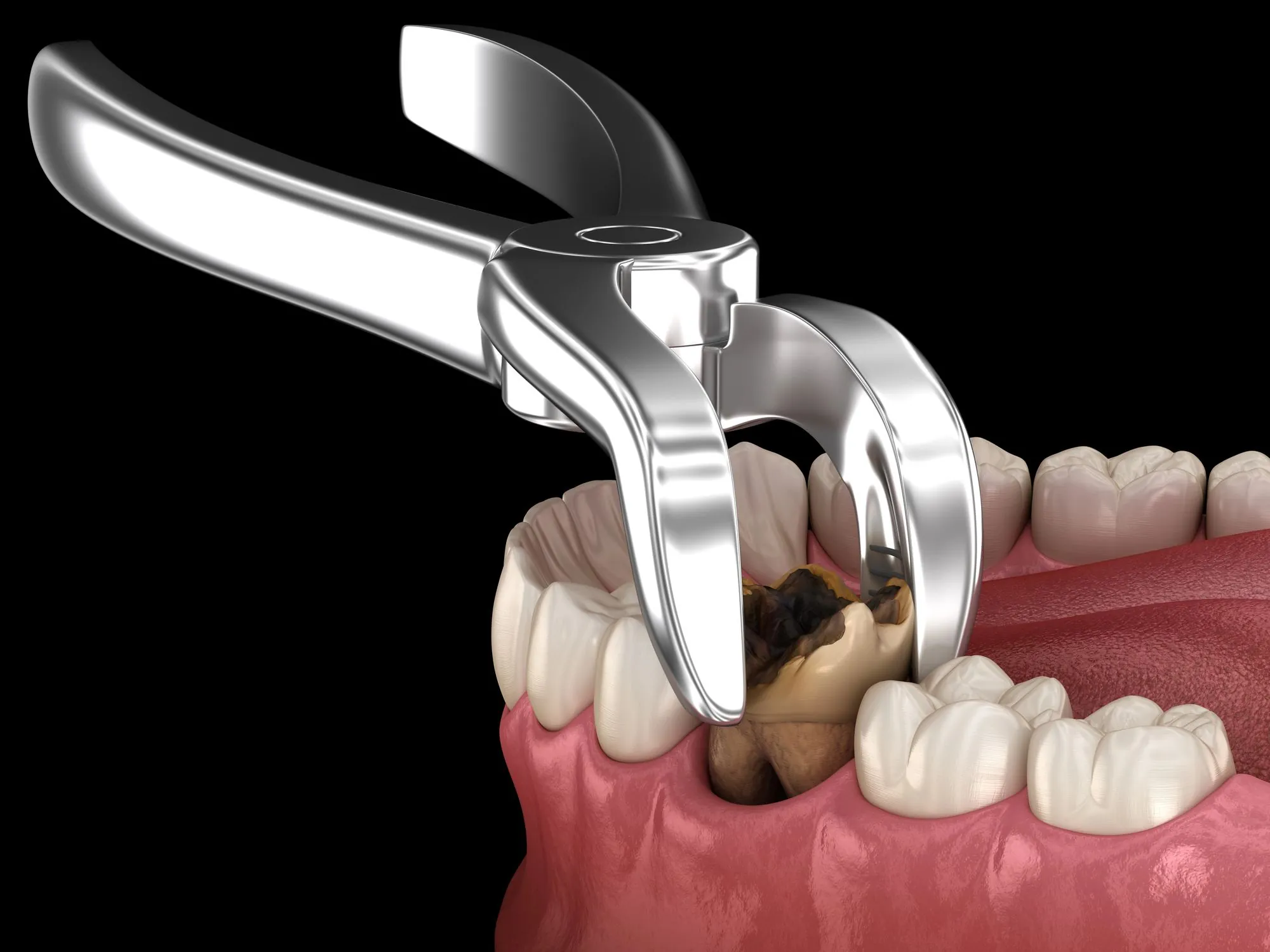
Learn when a Halloween candy cavity becomes an extraction and when to see a dentist for tooth extraction. Book your visit today!
Most cavities can be fixed with a filling or crown when they are caught early. When decay is left untreated, it can spread so deep that the tooth can no longer be saved and must be removed. If a post-Halloween toothache will not go away, seeing a dentist for tooth extraction or repair right away gives you the best chance of keeping your natural smile.

How Does a Cavity Turn Into an Extraction?
A cavity starts small, as a soft spot in the hard outer layer of your tooth. Bacteria in your mouth feed on sugar and produce acids that slowly dissolve enamel. Without treatment, that damage keeps moving deeper into the tooth over time. Eventually, there may not be enough healthy tooth left to repair.
The Stages of Tooth Decay
Tooth decay usually moves through several stages. Each stage is harder to treat than the one before it. Here is how decay typically progresses:
- Enamel damage that may show up as white or brown spots
- Decay that reaches the softer dentin layer and causes sensitivity
- Infection that reaches the pulp, where the nerve and blood supply live
- Severe damage or an abscess that leaves too little tooth to restore
Why Halloween Candy Speeds Up Decay
Halloween often means more sugar in a short amount of time. Snacking on candy throughout the day keeps your teeth under constant acid attack. Sticky and hard candies make the problem worse because they cling to teeth or dissolve slowly. Over weeks, this extra sugar can turn a small cavity into a much bigger one.
The Worst Candies for Cavities
Caramels, taffy, and gummies stick in the grooves of your teeth long after you finish eating. Hard candies and lollipops bathe your teeth in sugar as they slowly dissolve. Sour candies add acid on top of sugar, which weakens enamel even faster. Plain chocolate tends to be a better choice because it rinses away more easily.
Can the Tooth Still Be Saved?
In many cases, yes. Dentists always try to preserve your natural tooth first, because it is usually the best option for your bite and long-term health. The right treatment depends on how far the decay has spread. A dental exam and X-rays help your dentist see the full picture.
Fillings, Crowns, and Root Canals
Small cavities can usually be repaired with a tooth-colored filling. Larger areas of decay may need a crown to cover and protect what is left of the tooth. If infection has reached the pulp, a root canal can remove it and save the tooth. The sooner decay is treated, the simpler and less costly the repair usually is.
When Extraction Is the Best Option
Sometimes a tooth is so badly decayed or damaged that a filling or crown would not be enough to restore it. In other cases, infection or gum disease has weakened the bone that supports the tooth. When that happens, removing the tooth protects your health and prevents infection from spreading. Your dentist will explain every option before recommending an extraction.
Signs Your Cavity Needs Attention Now
Early cavities often cause no pain at all, which is why regular checkups matter. As decay gets worse, symptoms usually become harder to ignore. Call your dentist if you notice any of these warning signs:
- A toothache that lingers or wakes you up at night
- Sharp pain when biting or chewing
- Strong sensitivity to hot, cold, or sweet foods
- Swelling in your gums or face
- A visible hole, dark spot, or broken piece of tooth

What Happens During a Tooth Extraction?
If an extraction is needed, your dentist will numb the area so you stay comfortable. A single extraction usually takes about 20 to 40 minutes. For anxious patients, sedation options can make the visit feel calmer and easier. You will go home with clear aftercare instructions.
Recovery Tips
Some soreness, bleeding, or swelling is normal for about the first 24 hours. Stick to soft foods or liquids, such as pudding or applesauce, during the first day. Avoid using straws for the first few days, since suction can disturb the healing site. Most patients feel much better within a week, but you should still be gentle with the area while it heals.
Replacing a Missing Tooth
A gap left by a missing tooth can affect your bite and allow nearby teeth to shift. Dental implants, bridges, and dentures are common ways to restore your smile. Many replacement options can be planned soon after your extraction. Your dentist can help you choose the option that fits your needs and budget.
How to Protect Your Teeth After Halloween
You do not have to give up treats to protect your smile. Enjoy candy with meals instead of snacking all day, and drink water afterward to rinse away sugar. Brush twice a day, floss daily, and keep up with regular dental visits. These simple habits help stop small cavities before they turn into big problems.
Frequently Asked Questions
Can one bag of Halloween candy really cause a cavity?
Cavities usually form over time rather than from a single treat. However, frequent snacking on sugary candy raises your risk, especially if brushing slips. Limiting how often you eat sweets matters more than how much you eat at once.
Does a tooth extraction hurt?
The area is numbed before treatment, so most patients feel pressure rather than pain. Some soreness is normal once the anesthesia wears off. Your dentist will recommend ways to stay comfortable as you heal.
How long does it take to recover from an extraction?
Most patients feel much better within about a week. Bleeding and swelling usually improve after the first 24 hours. Full healing of the area takes longer, so follow your dentist's instructions closely.
What can I eat after a tooth extraction?
Soft foods and liquids are best for the first day. Pudding, applesauce, yogurt, and mashed potatoes are good choices. Avoid hard, crunchy, or spicy foods until the area has healed.
Can a badly decayed tooth heal on its own?
No, decay does not reverse once it has formed a cavity. Without treatment, it usually spreads and can lead to infection. Early care gives you the best chance of saving the tooth.

Need a Dentist for Tooth Extraction? We Can Help
A lingering toothache after Halloween is your cue to get checked, not to wait it out. Our caring team will do everything possible to save your tooth and will make sure you feel comfortable if an extraction is needed. Call Hillsborough Dental Center at (908) 359-1112 to schedule your visit today.
What Our Hillsborough Township, NJ Dental Patients Are Saying
Call or Book an Appointment Now at Our Hillsborough Township, NJ Dentist Office
Learn more about all of our Hillsborough Township dental services and modern technology.
(908) 359-1112Request an Appointment