Understanding the Tooth Crown Process: What to Expect
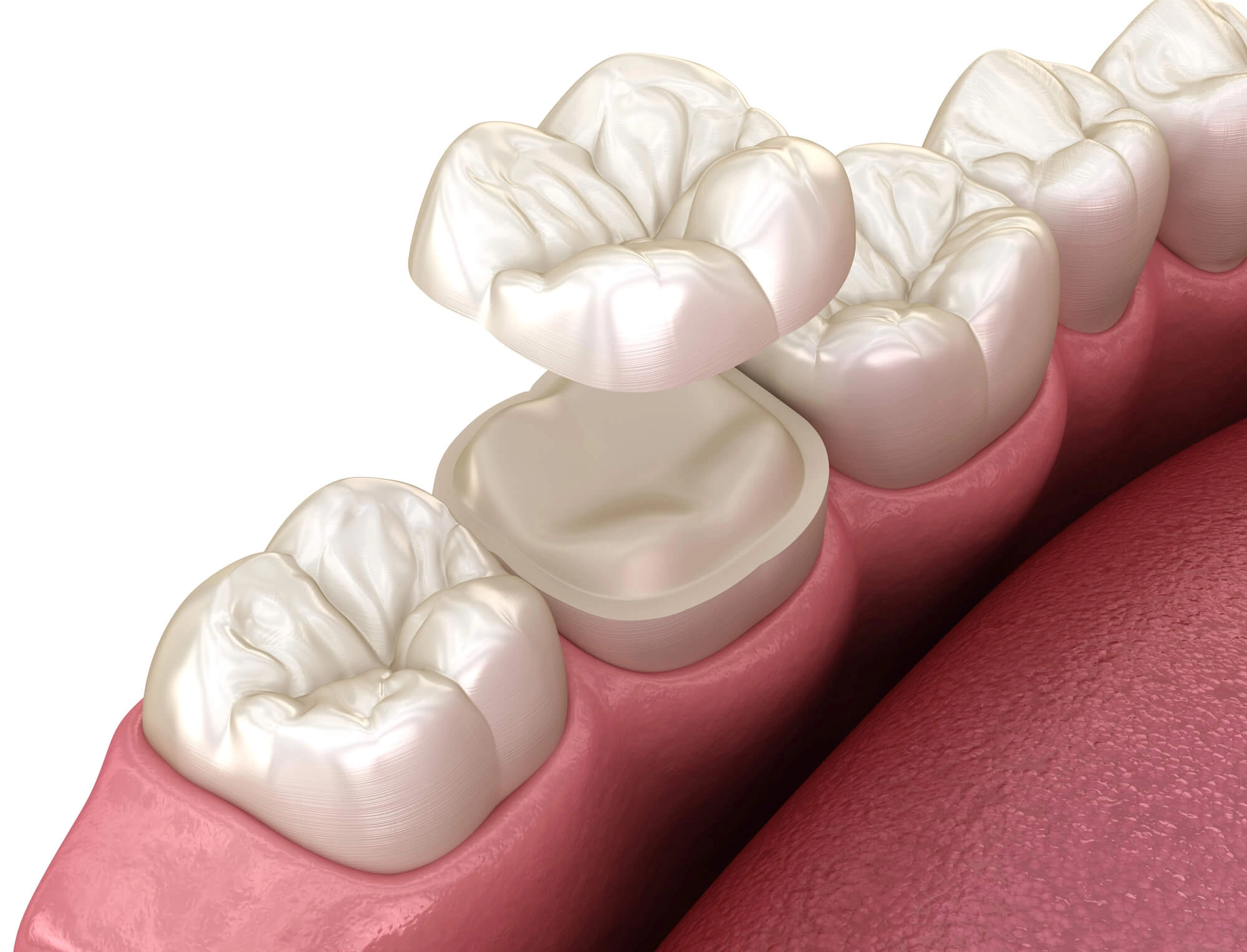
Learn everything about the tooth crown process, from preparation to placement. Restore your smile and tooth function with precision. Schedule your appointment today.
A damaged, weakened, or severely decayed tooth can significantly affect your oral health and confidence. A dental crown is a highly effective solution that restores strength, functionality, and appearance. Understanding the tooth crown process helps patients feel prepared, know what to expect, and make informed decisions about their dental care. From the initial evaluation to final placement, each step is designed to protect your tooth and ensure a comfortable, long-lasting result. Proper knowledge of the process can also reduce anxiety and help patients maintain excellent oral health throughout treatment.
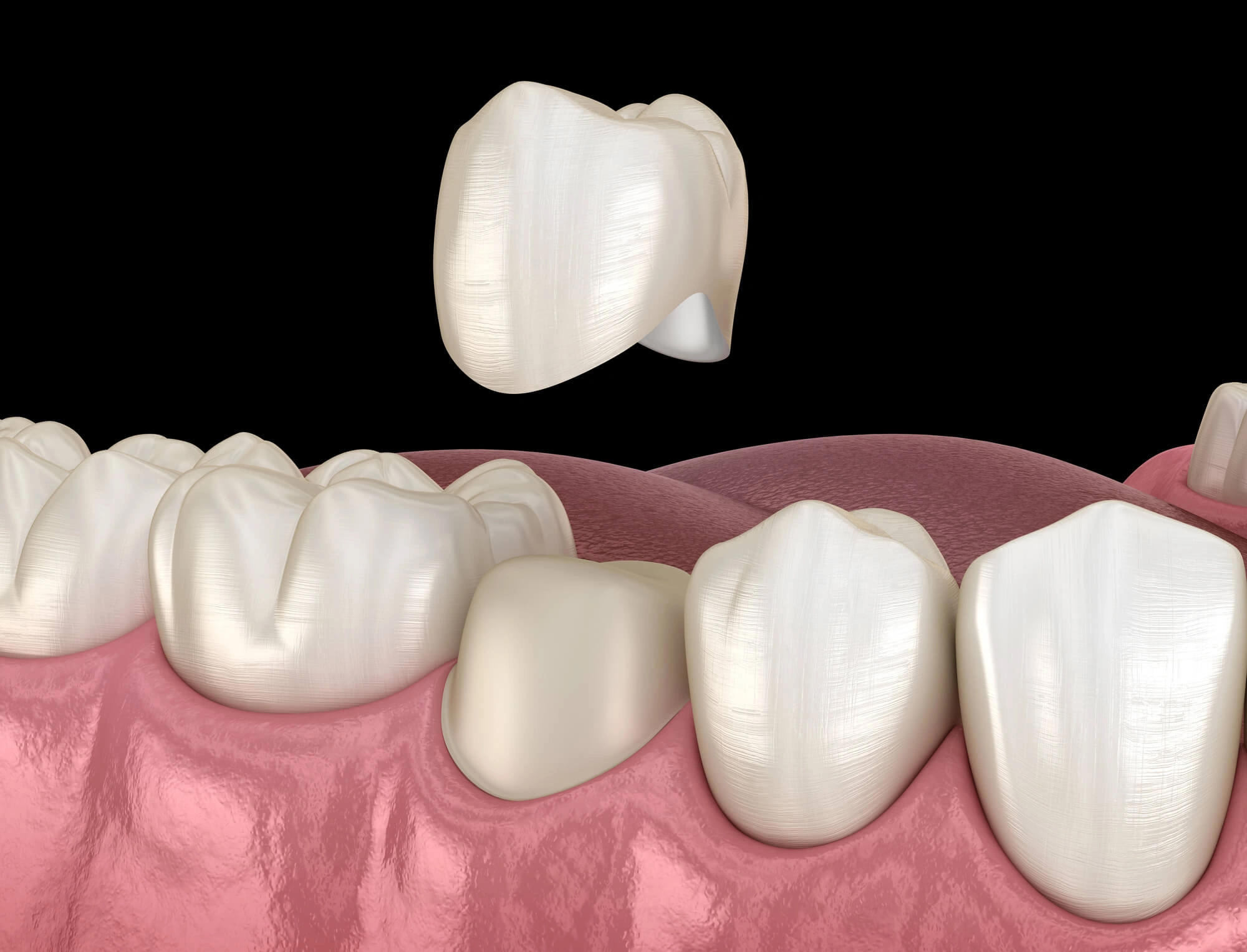
Steps Involved in the Tooth Crown Process
Initial Consultation and Evaluation
The first step in the tooth crown process is a thorough dental examination. During this visit, your dentist will:
- Examine the affected tooth and surrounding teeth
- Take X-rays to assess the health of the tooth root and bone
- Discuss dental history and any symptoms, such as pain or sensitivity
- Recommend the most suitable type of crown based on function, location, and aesthetics
This evaluation ensures the tooth is a viable candidate for a crown. It also allows the dentist to customize a treatment plan that meets both functional and cosmetic needs, while explaining the timeline, costs, and expected outcomes.
Tooth Preparation
Once the evaluation is complete, the dentist prepares the tooth to receive the crown. Preparation typically involves:
- Administering local anesthesia to ensure comfort
- Removing decay, old fillings, or damaged portions of the tooth
- Shaping the tooth to allow the crown to fit precisely and align with your bite
If the tooth has extensive damage or has undergone a root canal, the dentist may place a buildup material to reinforce the structure. This ensures the crown has a strong foundation and provides long-lasting protection.
Impressions and Temporary Crowns
After preparation, precise impressions of your teeth are taken to fabricate a custom crown. These impressions are sent to a dental laboratory where skilled technicians create a crown that matches the shape, size, and color of your natural teeth.
While waiting for the permanent crown, a temporary crown is placed. Temporary crowns protect the prepared tooth, allow normal function, and prevent sensitivity. Patients are advised to avoid sticky or hard foods to maintain the temporary crown.
Types of Dental Crowns
Porcelain Crowns
Porcelain crowns are highly aesthetic and mimic the natural color and translucency of teeth. They are commonly used for front teeth or areas where appearance is crucial. Porcelain crowns can be color-matched to adjacent teeth, providing a seamless, natural look.
Metal Crowns
Metal crowns, often made of gold or other durable alloys, offer exceptional strength. They are resistant to wear and ideal for molars, which endure significant chewing forces. Although not as visually appealing as porcelain, metal crowns last longer and require less tooth removal.
Porcelain-Fused-to-Metal Crowns
Porcelain-fused-to-metal (PFM) crowns combine the aesthetic appeal of porcelain with the strength of metal. They are versatile, providing durability for back teeth while maintaining a natural appearance. PFMs are a common choice for patients seeking both function and beauty.
Zirconia Crowns
Zirconia crowns are made from a strong, tooth-colored ceramic that is highly resistant to chipping and cracking. They offer durability and a natural appearance, making them suitable for both front and back teeth. Zirconia crowns are biocompatible and less likely to cause irritation to the surrounding gums.

Caring for Your Crown
Oral Hygiene Practices
Proper oral hygiene is essential for the longevity of your crown. Brush twice daily with a soft-bristled toothbrush, floss carefully around the crown, and use an antibacterial mouth rinse. Maintaining healthy gums reduces the risk of decay forming at the crown margin and prevents gum disease.
Regular Dental Check-Ups
Routine dental visits allow your dentist to monitor the crown’s fit and overall oral health. Professional cleanings help remove plaque and tartar that may accumulate around the crown, and early detection of any issues ensures long-term success. These check-ups also allow your dentist to assess neighboring teeth and gums, adjust bite alignment if needed, and provide guidance on home care. Consistent visits help maintain the crown’s durability and prevent complications, ensuring your smile remains healthy, functional, and aesthetically pleasing for years to come.
Avoiding Damage
Avoid biting on excessively hard foods, chewing ice, or using your teeth to open packages. These habits can crack or dislodge a crown. Wearing a mouthguard during sports or at night, if you grind your teeth, can further protect the crown. With proper care, crowns can last 10–15 years or longer.
Recognizing Problems Early
Signs that a crown may need attention include:
- Persistent sensitivity or pain
- Looseness or movement of the crown
- Discoloration at the crown margin
- Chips or cracks in the crown
Prompt evaluation by your dentist can prevent further damage and protect your tooth.
Benefits of the Tooth Crown Process
Restores Strength and Function
A dental crown restores the structural integrity of a damaged tooth, allowing normal biting and chewing. This prevents further wear on adjacent teeth and protects the underlying tooth from fractures.
Enhances Appearance
Crowns improve the appearance of teeth that are discolored, misshapen, or damaged. They provide a natural-looking, seamless smile that boosts confidence. In addition, crowns can be customized to match the color, shape, and size of surrounding teeth, creating a harmonious and balanced look. This cosmetic improvement not only enhances your smile but also positively impacts your overall facial aesthetics and self-esteem.
Long-Term Oral Health
By protecting weakened teeth, crowns prevent further decay, reduce the risk of tooth loss, and support the overall health of the mouth. When combined with regular dental care, crowns contribute to lasting oral wellness. Additionally, crowns help maintain proper bite alignment, distribute chewing forces evenly, and prevent excessive wear on adjacent teeth. This long-term protection ensures that your teeth and gums remain healthy, functional, and strong for many years.

Begin Your Tooth Crown Process Today
Understanding each step of the tooth crown process helps patients feel confident and prepared for treatment. At Hillsborough Dental, our experienced team provides personalized care to ensure your crown fits comfortably, functions properly, and enhances your smile’s appearance. Schedule your appointment today to restore your tooth’s strength, prevent further damage, and enjoy a healthy, confident smile.
What Our Hillsborough Township, NJ Dental Patients Are Saying
Call or Book an Appointment Now at Our Hillsborough Township, NJ Dentist Office
Learn more about all of our Hillsborough Township dental services and modern technology.
(908) 359-1112Request an Appointment