Who Is a Good Candidate for Invisalign Clear Aligners?
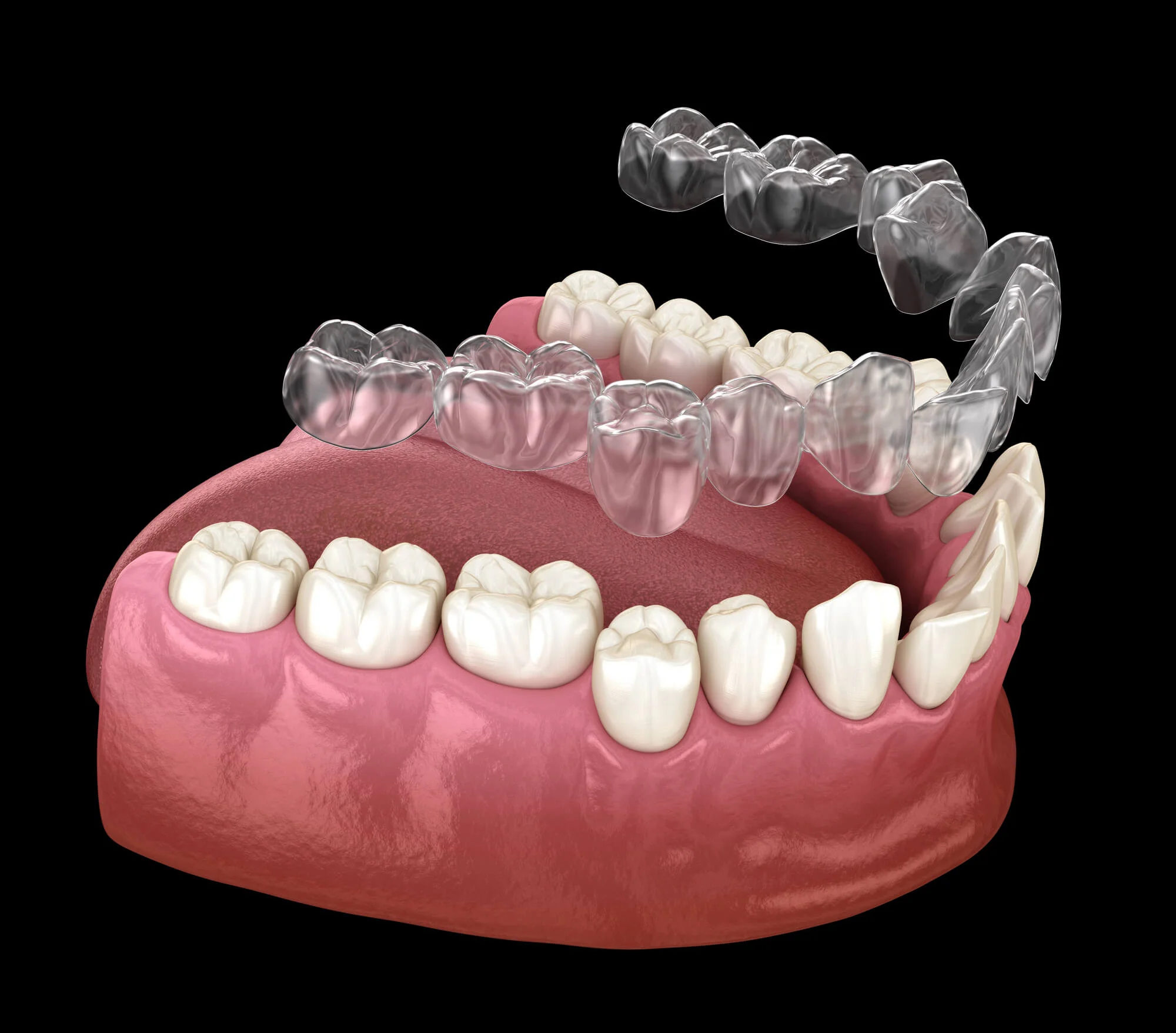
Find out if you are a good candidate for Invisalign clear aligners and what factors matter most. Schedule your consultation today.
Most teens and adults with mild to moderate alignment issues, healthy teeth and gums, and a commitment to wearing aligners 20 to 22 hours a day are good candidates. Invisalign clear aligners offer a discreet, comfortable way to straighten teeth without metal brackets or wires.
Many people assume Invisalign® only treats minor cosmetic changes, but it can address a wide range of concerns. A consultation with your dentist is the best way to know whether this treatment fits your smile.
What Makes Someone a Good Candidate for Invisalign?
A good candidate typically has a few key qualities that support successful treatment. These include alignment issues that clear aligners can correct, a healthy mouth, and the discipline to follow the treatment plan.
Age is rarely a limiting factor as long as the permanent teeth have come in. Your dentist will look at your teeth, bite, and lifestyle to make a personalized recommendation.
Orthodontic Issues Invisalign Can Treat
Clear aligners gradually move teeth into better positions using a series of custom trays. Each set applies gentle, controlled pressure to shift your teeth a little at a time. This approach works well for many common bite and spacing problems.
Conditions often treated with Invisalign include:
- Crowded teeth that overlap or twist
- Gaps or spaces between teeth
- Overbite, where the upper teeth extend too far over the lower teeth
- Underbite, where the lower teeth sit in front of the upper teeth
- Crossbite, where some upper teeth sit inside the lower teeth
- Open bite, where the front teeth do not meet when biting
Mild to Moderate Cases
Invisalign is especially effective for mild to moderate alignment concerns. Advances in aligner technology, including small tooth-colored attachments, allow treatment of more complex movements than in the past. Your dentist may use these attachments to give the aligners better grip on certain teeth.
Many patients who were once told they needed braces can now achieve great results with aligners.
Good Oral Health
Healthy teeth and gums are the foundation of any orthodontic treatment. Moving teeth while dealing with untreated cavities or gum disease can lead to further problems. If you have active decay or gum inflammation, your dentist will likely treat these issues first.
Once your mouth is healthy, you can move forward with aligner treatment confidently.
Commitment to Daily Wear
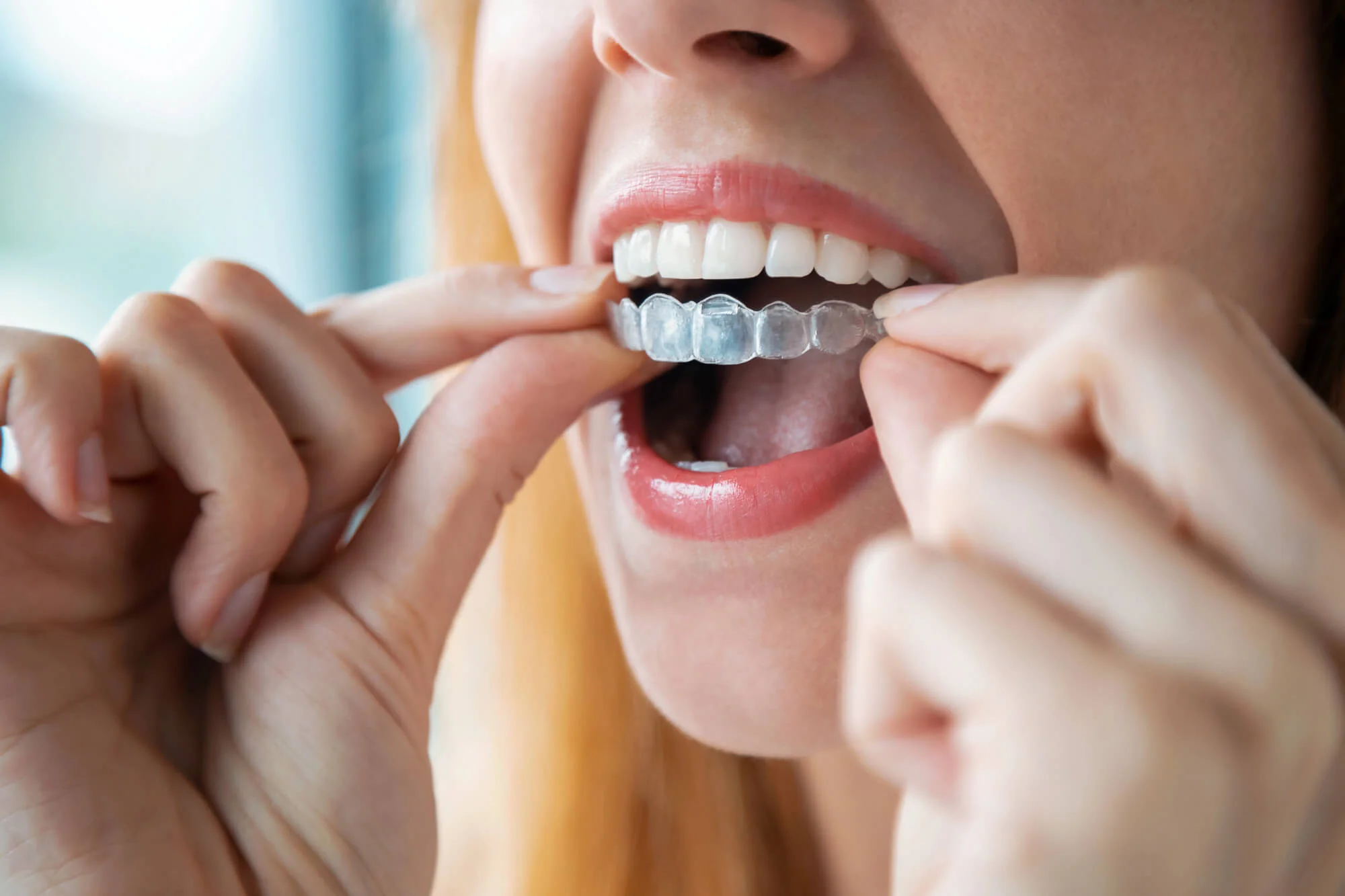
Aligners only work when they are in your mouth. For the best results, they should be worn 20 to 22 hours a day and removed only to eat, drink anything other than water, and clean your teeth.
Patients who frequently forget to wear their trays may see slower progress or less predictable results. A strong commitment to the routine is one of the most important factors for success.
Is Invisalign Right for Teens and Adults?
Invisalign is a popular choice for both teens and adults. The treatment can be customized for different stages of life and different lifestyle needs. The main requirement is that the patient is ready to take responsibility for wearing and caring for the aligners. Here is how this option works for each age group.
Invisalign for Teens
Teens often appreciate clear aligners because they are nearly invisible and do not draw attention. Since the aligners are removable, teens can enjoy their favorite foods and play sports or instruments more comfortably.
Some teen aligners include wear indicators that help parents and dentists track daily use. Responsible teens who follow instructions can achieve excellent results.

Invisalign for Adults
Many adults want a straighter smile but prefer to avoid the look of traditional braces. Clear aligners fit easily into professional and social settings without changing your appearance. Adults also tend to be more consistent with wear time, which supports predictable progress. It is never too late to improve the health and appearance of your smile.
When Invisalign May Not Be the Best Fit
While clear aligners work for many patients, they are not ideal for every situation. Severe bite problems related to jaw position may require traditional braces or a combination of treatments.
Some complex tooth rotations or large vertical movements can also be harder to correct with aligners alone. Your dentist will explain your options honestly if another approach would serve you better.
Existing Dental Work and Other Factors
Certain dental restorations, such as bridges or implants, can affect how teeth move during treatment. Dental implants do not shift like natural teeth, so your treatment plan must work around them.
Patients who are unlikely to wear their aligners consistently may also benefit more from fixed braces. Sharing your full dental history helps your dentist plan the safest, most effective treatment.
How Does Your Dentist Determine If You Qualify?
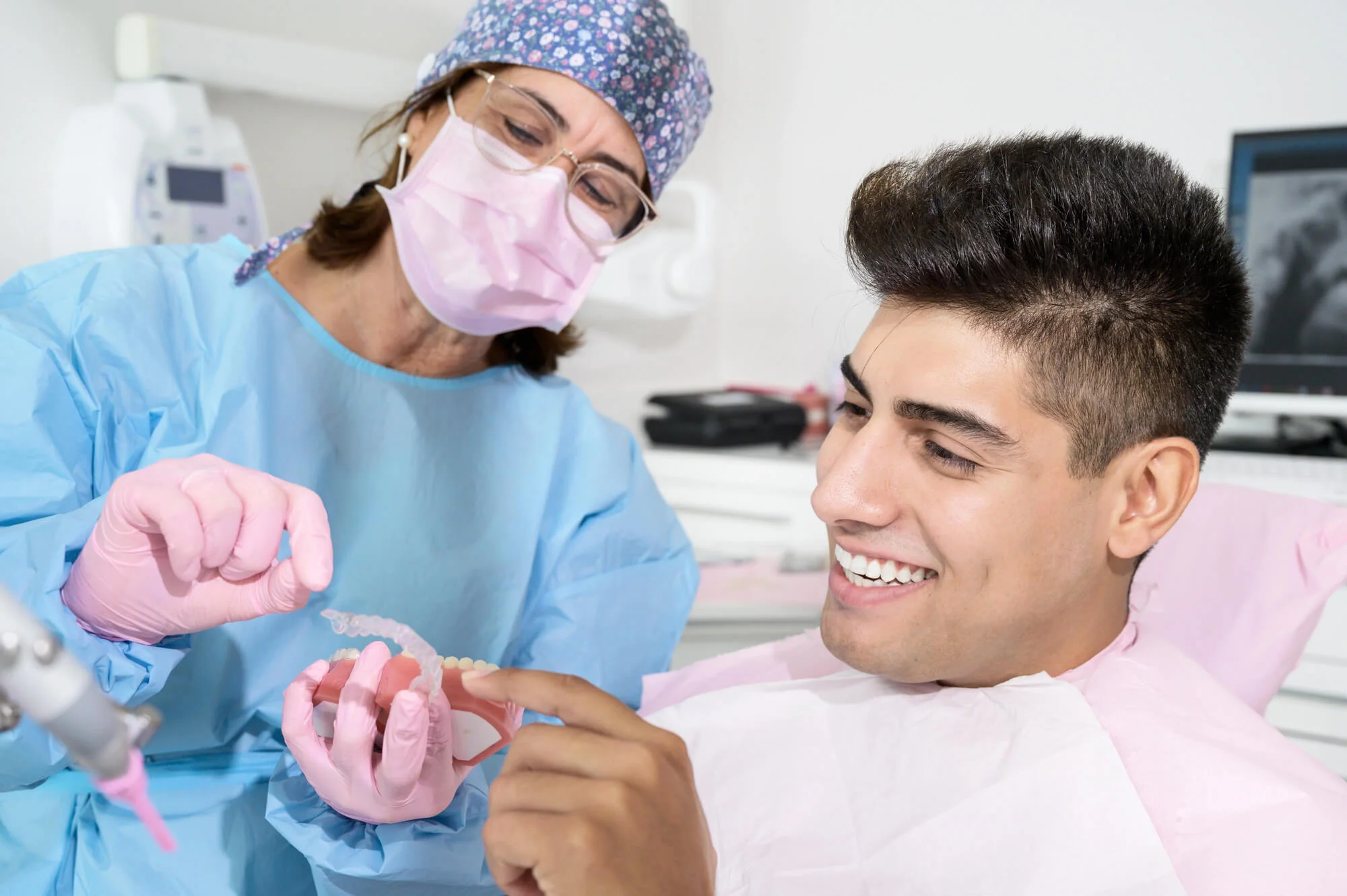
The first step is a comprehensive consultation and exam. Your dentist will review your teeth, gums, bite, and any previous dental work. X-rays and photos may also be taken to get a complete picture of your oral health. This information helps determine whether clear aligners can achieve your goals.
What Happens at Your Consultation?
If you are a good candidate, your dentist will take a digital scan of your teeth. This scan is used to create a 3D treatment plan that shows how your teeth will move over time. You may even be able to preview your expected results before starting. Your dentist will also explain the estimated treatment length and what to expect at each stage.
Frequently Asked Questions
How old do you need to be to get Invisalign?
Most patients begin once their permanent teeth have erupted, usually in the early teen years. There is no upper age limit for treatment. Adults of all ages can successfully straighten their teeth with clear aligners.
Can Invisalign fix severe crowding?
Many cases of moderate and even some severe crowding can be treated with aligners. Attachments and other techniques help guide more difficult tooth movements. Your dentist will evaluate your case to determine the best option.
Can I get Invisalign if I have crowns or fillings?
Yes, most patients with crowns or fillings can still use clear aligners. Attachments may need special bonding on some restorations. Your dentist will review your existing dental work during your exam.
How long does Invisalign treatment take?
Treatment time varies depending on the complexity of your case. Many patients complete treatment in about 12 to 18 months, while minor cases may finish sooner. Consistent wear helps keep your treatment on schedule.
Will I need a retainer after Invisalign?
Yes, wearing a retainer is essential to keep your teeth in their new positions. Teeth naturally tend to shift back without retention. Your dentist will recommend the best retainer and wear schedule for you.
Discover If Invisalign Clear Aligners Are Right for You
Straightening your smile can be easier and more comfortable than you might expect. Our team will evaluate your teeth, answer your questions, and help you understand every option available.
We create personalized treatment plans designed around your goals and lifestyle. Contact Hillsborough Dental today to schedule your consultation and take the first step toward a straighter, more confident smile.
*Invisalign®, the Invisalign logo, and iTero®, among others, are trademarks and/ or service marks of Align Technology, Inc. or one of its subsidiaries or affiliated companies and may be registered in the U.S. and/or other countries.
What Our Hillsborough Township, NJ Dental Patients Are Saying
Call or Book an Appointment Now at Our Hillsborough Township, NJ Dentist Office
Learn more about all of our Hillsborough Township dental services and modern technology.
(908) 359-1112Request an Appointment