Why Early Root Canal Treatment Matters
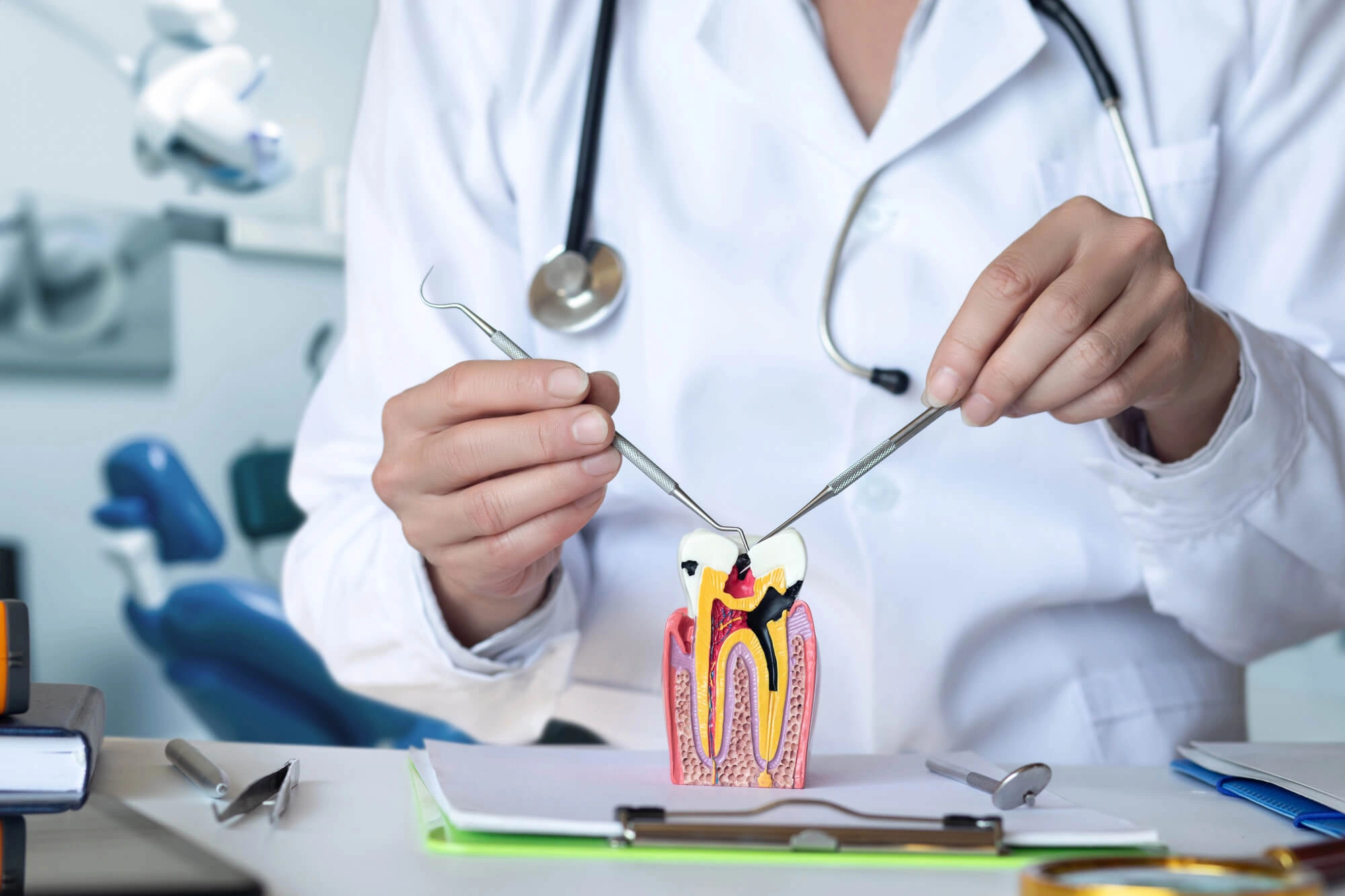
Need a root canal in Hillsborough? Learn why early treatment protects your tooth, relieves pain, and helps prevent serious dental complications.
Treating an infected tooth as early as possible can relieve pain, stop the spread of infection, and preserve your natural smile. If your dentist recommends a root canal in Hillsborough, seeking prompt treatment can help prevent more extensive dental procedures and improve your long-term oral health.
Many people feel anxious when they hear the words "root canal," often because of outdated misconceptions about the procedure. In reality, modern root canal therapy is designed to eliminate infection, relieve discomfort, and save a tooth that might otherwise need to be extracted. Delaying treatment, however, allows bacteria to continue damaging the tooth and surrounding tissues, making the situation more complex.
Understanding why early root canal treatment matters can help you make informed decisions and protect your smile for years to come.
What Is Root Canal Treatment?
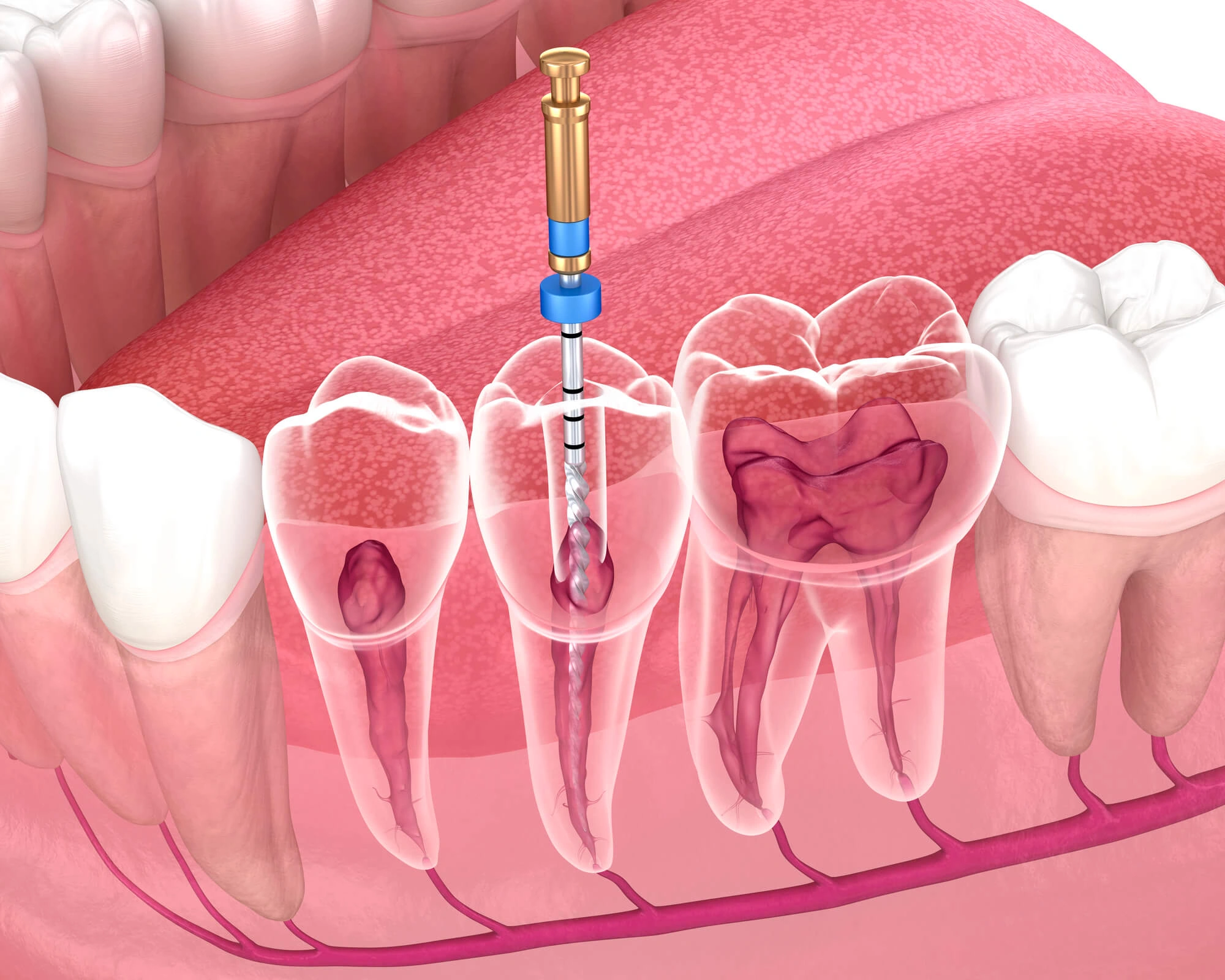
A root canal is a restorative dental procedure used to treat infection or inflammation inside a tooth. The soft tissue at the center of the tooth, known as the dental pulp, contains nerves and blood vessels that help the tooth develop. Once a tooth is fully mature, it can continue functioning without the pulp because it receives nourishment from surrounding tissues.
When the pulp becomes infected due to deep decay, repeated dental procedures, cracks, or trauma, root canal treatment removes the damaged tissue, cleans the inside of the tooth, and seals it to prevent future infection.
Common Causes of Pulp Infection
Several dental problems can allow bacteria to reach the inner portion of the tooth.
These include:
- Cracked or fractured teeth
- Large or failing fillings
- Repeated dental work on the same tooth
- Dental trauma or injury
- Severe tooth wear
Seeking treatment early can often prevent the infection from spreading beyond the tooth.
Signs You May Need a Root Canal
Not every infected tooth causes immediate pain, but many patients experience noticeable symptoms.
Common warning signs include:
- Persistent tooth pain
- Sensitivity to hot or cold that lingers
- Pain while chewing
- Swollen or tender gums
- Tooth discoloration
- Facial swelling in more advanced cases
If you notice any of these symptoms, scheduling a dental evaluation promptly is important.
Why Early Treatment Makes a Difference
One of the biggest advantages of early treatment is preventing the infection from becoming more severe. The longer bacteria remain inside the tooth, the greater the chance of complications.
Stops the Spread of Infection
An untreated tooth infection rarely resolves on its own. Instead, bacteria can spread into surrounding tissues, affecting nearby teeth, the jawbone, and gums.
Prompt root canal therapy removes the source of the infection before it causes more extensive damage.
Preserves Your Natural Tooth
Saving your natural tooth is almost always the preferred treatment option. A healthy natural tooth allows you to chew comfortably, maintain proper bite alignment, and preserve your jawbone.
Root canal treatment helps patients avoid unnecessary tooth loss while restoring normal function.
Prevents Costlier Procedures
Treating an infected tooth early often avoids the need for more extensive dental work.
Without treatment, an infection may eventually require:
- Bone grafting
- Dental implants
- Partial dentures
- More complex restorative procedures
Early intervention is typically more conservative and cost-effective.
Relieves Pain
Many patients mistakenly believe root canals cause pain. In reality, the procedure is performed to eliminate the infection responsible for the discomfort.
After treatment, patients often experience significant relief as the inflamed tissue has been removed and healing begins.
What Happens During a Root Canal?
Modern root canal therapy is a precise and comfortable procedure performed using local anesthesia.
The process generally includes:
- Numbing the affected tooth and surrounding area.
- Creating a small opening to access the infected pulp.
- Removing infected or damaged tissue.
- Cleaning and disinfecting the root canals.
- Filling and sealing the canals to prevent reinfection.
- Restoring the tooth, often with a dental crown for additional protection.
Most patients are surprised to find that the procedure feels similar to receiving a routine filling.

Recovery After Treatment
Recovery is generally straightforward. Mild tenderness for a few days is common, but it usually improves quickly.
To support healing:
- Avoid chewing on the treated tooth until your permanent restoration is placed.
- Brush and floss gently around the area.
- Take medications exactly as directed.
- Attend all recommended follow-up appointments.
- Maintain regular dental cleanings and exams.
Following these recommendations helps protect the treated tooth and promote long-term success.
Can a Root Canal Be Prevented?
Although not every root canal is preventable, good oral hygiene significantly reduces the risk of infection.
Healthy habits include:
- Brushing twice daily with fluoride toothpaste
- Limiting sugary foods and beverages
- Wearing a mouthguard during sports
- Avoiding chewing hard objects like ice
- Visiting your dentist regularly for preventive care
- Treating cavities before they become severe
Routine dental visits allow problems to be detected early, often before they reach the tooth's inner pulp.
Common Myths About Root Canals
Misunderstandings about root canals often cause unnecessary anxiety.
Myth: Tooth Extraction Is Always Better
Whenever possible, preserving your natural tooth is the best option. Root canal therapy maintains your natural bite, helps preserve bone, and often requires less extensive treatment than replacing a missing tooth.
Myth: Root Canals Are Extremely Painful
Advances in dental technology and anesthesia have made modern root canal procedures much more comfortable than many people expect. In most cases, patients feel relief because the source of the pain is removed.
Myth: The Tooth Will Not Last
With proper restoration and good oral hygiene, a tooth treated with a root canal can function successfully for many years, often for a lifetime.

Schedule Your Root Canal in Hillsborough
Prompt treatment is the key to relieving pain, preserving your natural tooth, and preventing infection from causing more serious complications. If you're experiencing persistent tooth pain or other signs of infection, don't delay seeking professional care. The experienced team at Hillsborough Dental Center provides compassionate, high-quality endodontic treatment tailored to your needs. Schedule an appointment today to protect your oral health and restore your smile with confidence.
What Our Hillsborough Township, NJ Dental Patients Are Saying
Call or Book an Appointment Now at Our Hillsborough Township, NJ Dentist Office
Learn more about all of our Hillsborough Township dental services and modern technology.
(908) 359-1112Request an Appointment